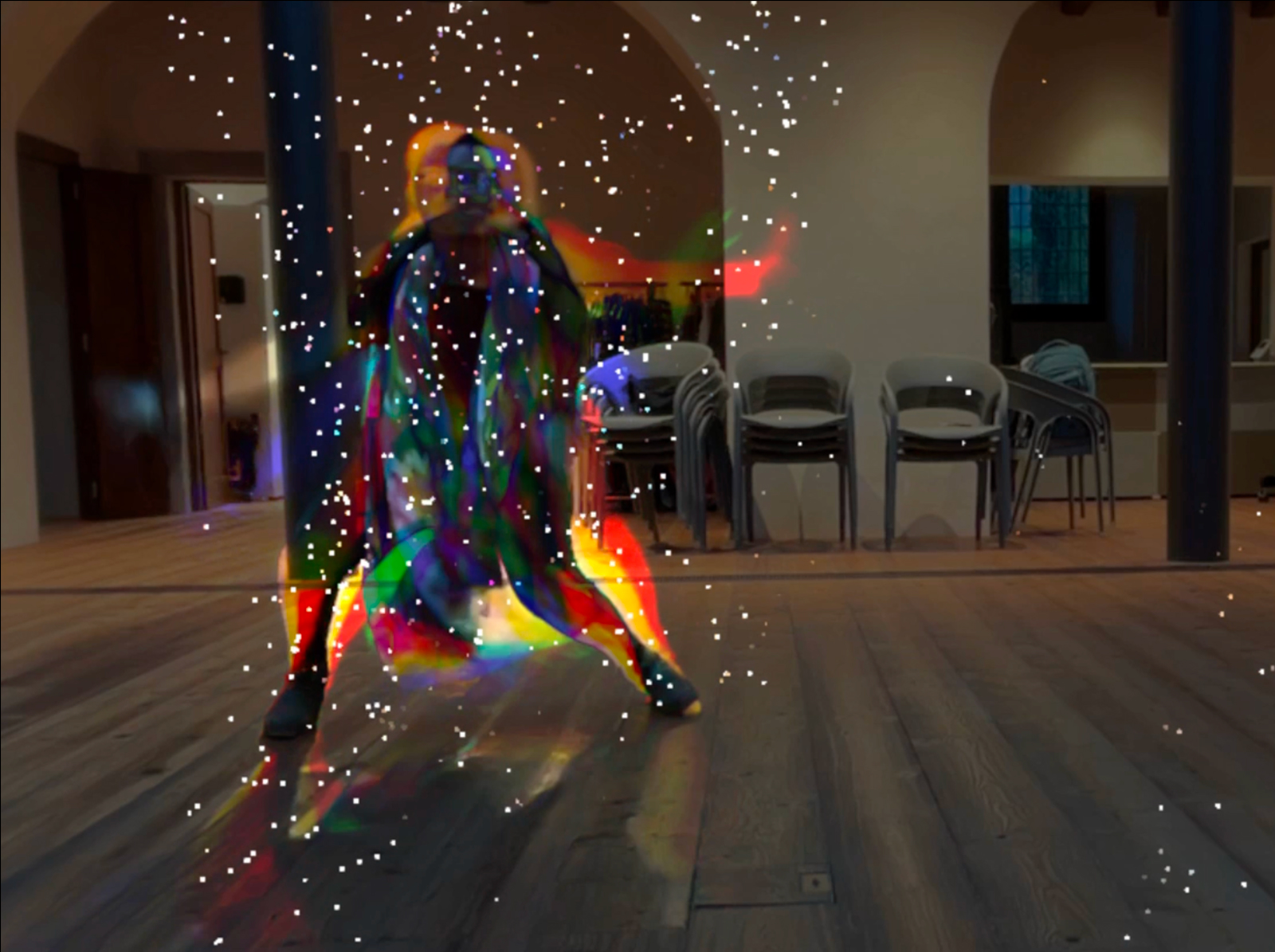
This course challenges the idea that AI must be confined to screens and text, exploring instead how intelligent systems can foster serendipitous, embodied connections with our physical surroundings. The week began with a series of embodied games designed to investigate how the behavior of intelligent systems is constructed. These exercises allowed students to feel the nuances of agency and see how technological constraints can actually shape more meaningful communication and creative human-AI dialogues.
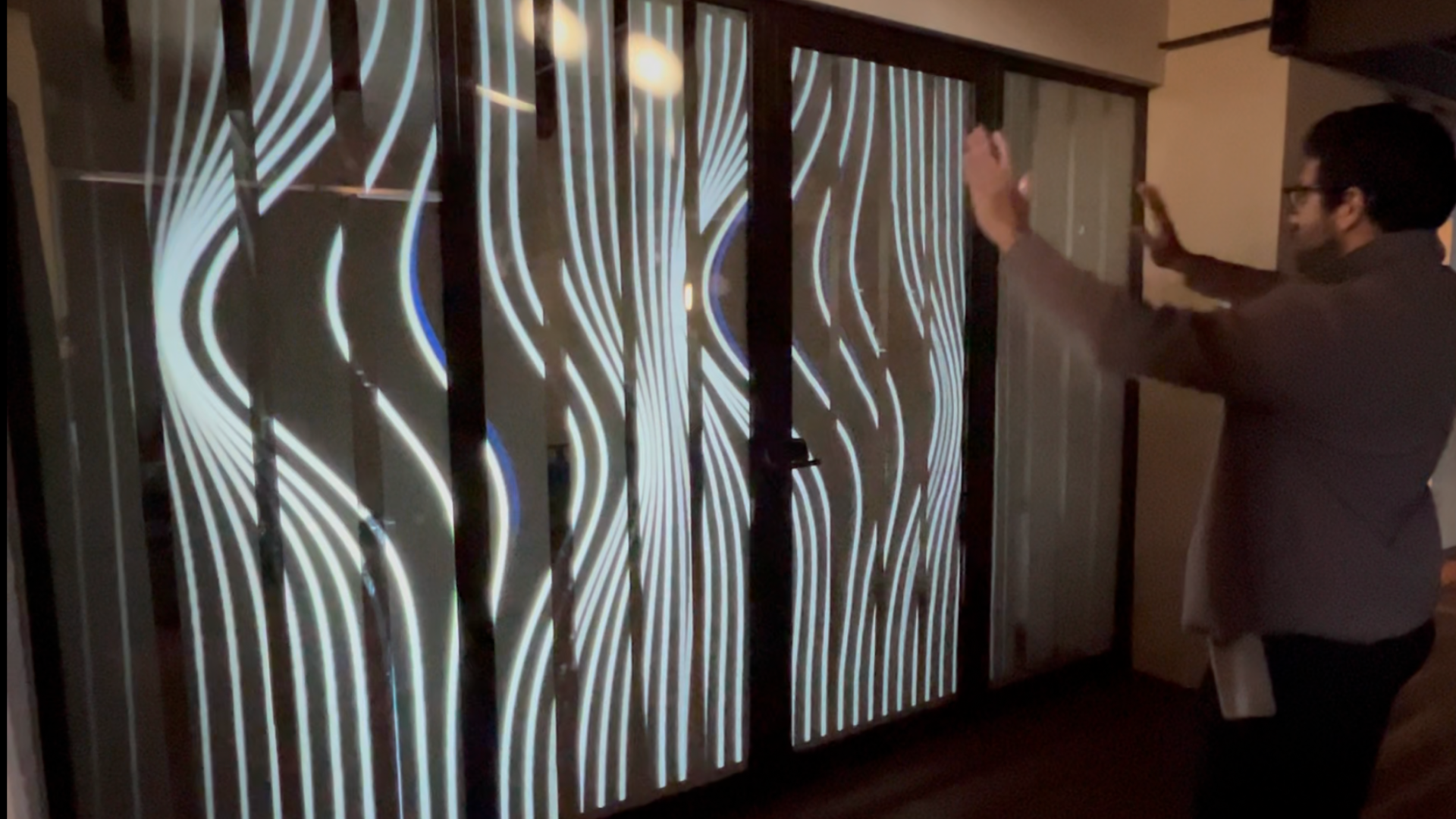
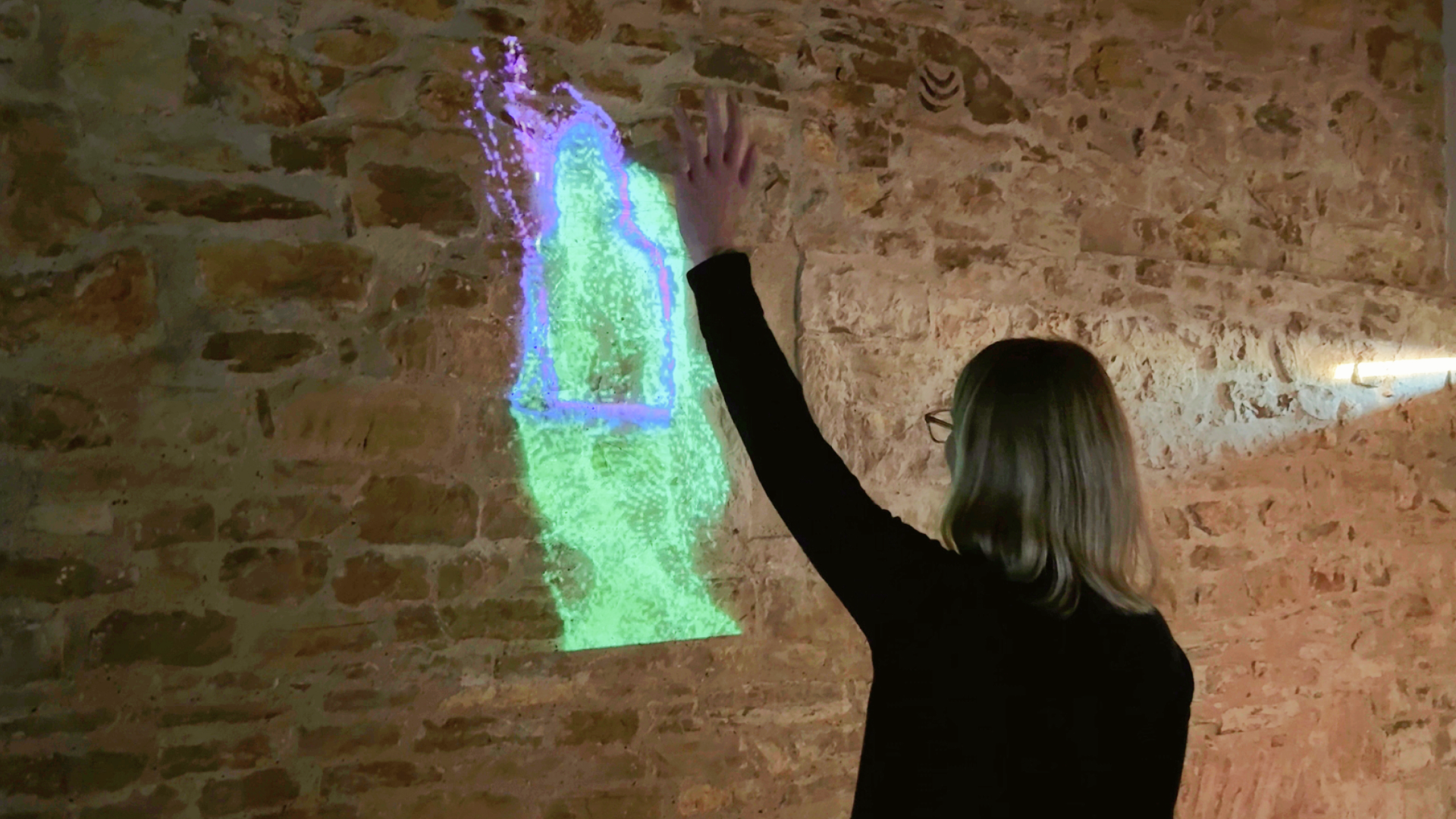
By initially baring the use of text and speech interfaces, the brief pushed for an appreciation of ambiguity and open interpretation in design. Through a collaborative process of physical exploration and collective reflection, students experimented with tools like image recognition and generative models to track gestures, moods, and postures. This iterative approach resulted in final prototypes with unique emotional fingerprints, reflecting the personality of the designer while remaining open to the individual experience of every user.
The week resulted in a set of final prototypes with unique 'emotional fingerprints' that reflected not only the brief, but also the personalities of the students: focussing on eliciting a specific experience, but open to the unique individual interacting with the intervention.


Lesley is a designer & researcher based in Eindhoven, The Netherlands. His interest lies in the relations we share with our (technological) environment and how technology shapes what we perceive and how we act. Currently Lesley explores this in the environment of his passion: teaching and practicing Brazilian Jiu Jitsu; where he explores how to make learning playful, safe, and fun through teaching interventions and supporting digital technologies.
Previously, at Emotion Studio, he has worked with a diverse variety of clients from the municipality of Rotterdam to Henkel to Mercedes-Benz. There, he researched the emotions people feel when using products and services and surfacing the experiences and beliefs behind these emotions.
Lesley holds a MSC in Industrial Design from the Eindhoven University of Technology.
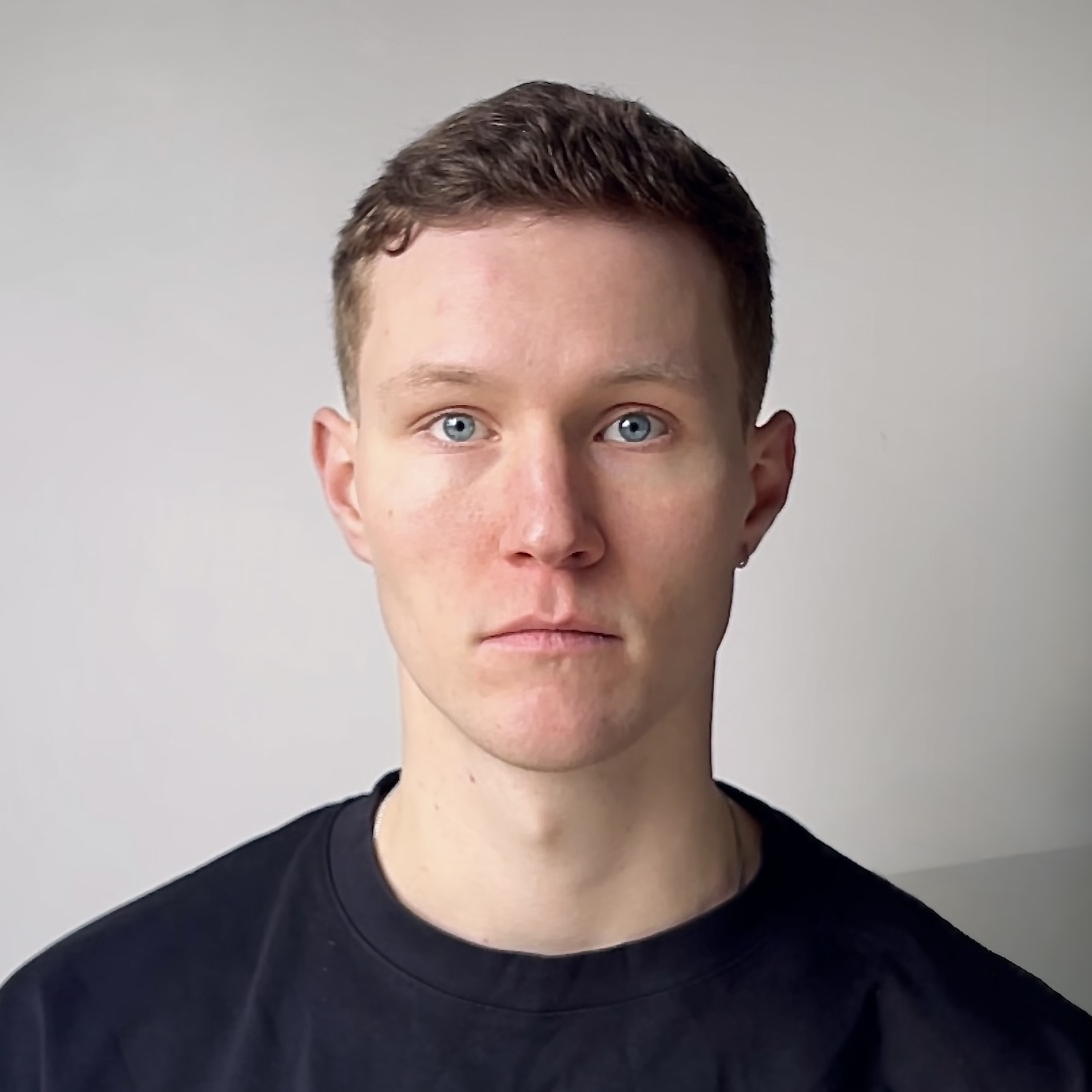
Kay is a designer and prototyper, exploring interactions that fuse digital and physical. He turns ambiguous ideas into tangible experiences by gluing together various hard- and software.
Currently he’s contracting at the Google Envisioning Studio (part of Google Research), where he explores innovative applications of state-of-the-art generative AI models. Previously, he has worked with companies ranging from Modem Works and Archetype AI to Arduino and others across design and technology. Kay holds an MFA in Interaction Design from the Umeå Institute of Design, and a BSc in Industrial Design from the Eindhoven University of Technology.
Beyond design and tech, Kay enjoys travelling, reading philosophy, and spending time in the ocean doing various water sports, or teaching as a surf instructor.




2.jpg)