ABOUT THIS COURSE
AI is quickly moving out of our screens and into the world around us. Robots are leaving the factory floor for warehouses, hospitals, shops and homes, everyday objects are learning to sense, decide and act, and even buildings are becoming responsive. Lombardy, one of Europe’s manufacturing heartlands, is at the centre of this shift. Yet much of robotics is still designed from the machine outwards, around what it can do rather than how it feels to share a space with it. When intelligence has a body, the physical and the digital become one design material. How a machine moves through a room, how it shows what it can and is about to do and how it accounts for humans around it will shape whether people will welcome it or try to avoid interacting with it.
Embodied AI Experiences is a five-day studio exploring the design of embodied AI: robots, intelligent objects and responsive environments. Working in small, multidisciplinary teams, you’ll take an idea from first sketches to a working, interactive prototype, with plenty of room for experimentation and play.
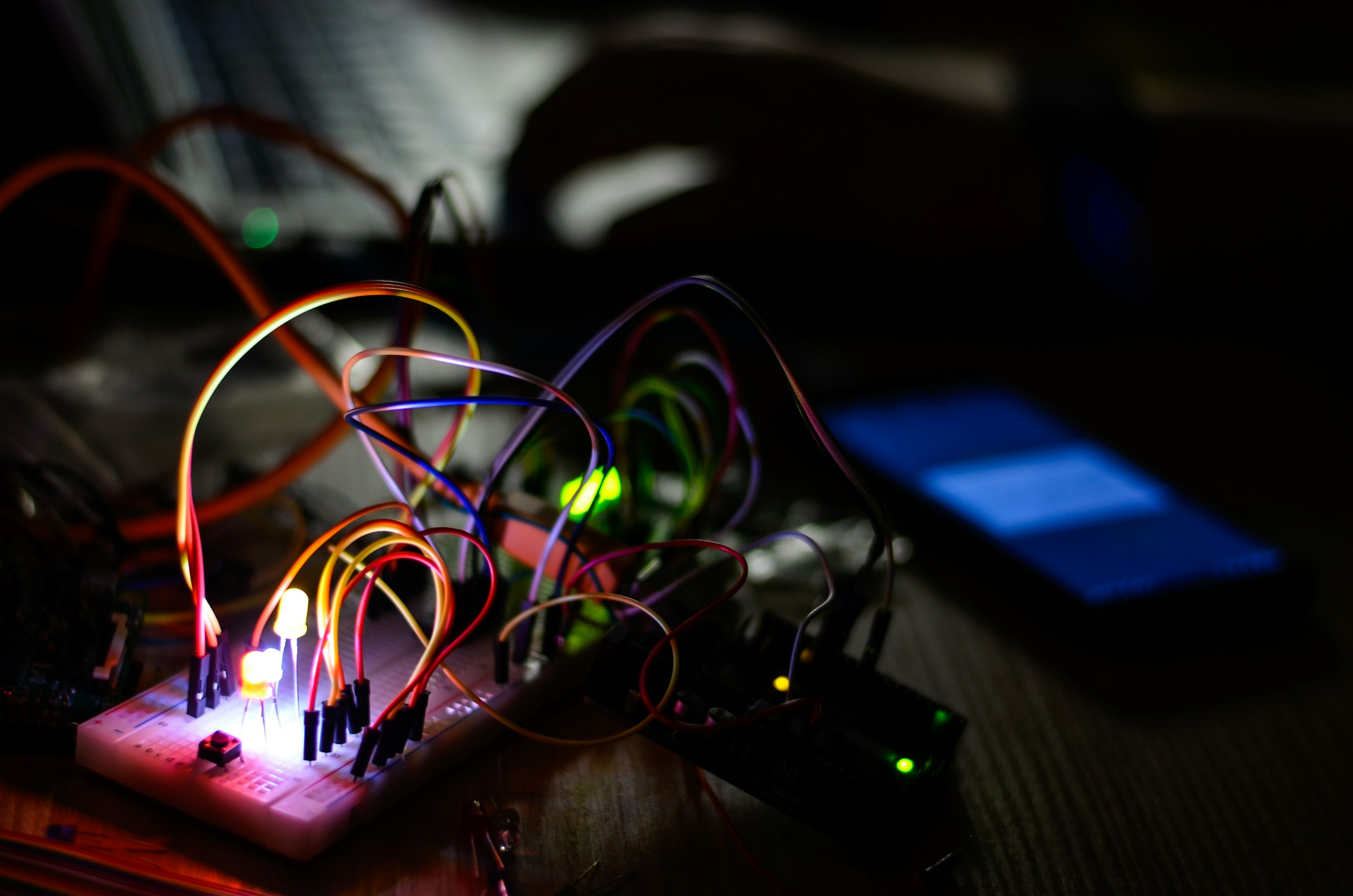
The week is about thinking with your hands. You’ll explore how people and machines share space, use your own bodies to act out behaviours, and learn the essentials of sensors, actuators and physical computing. Working in teams you’ll sketch with hardware, quickly and often, connecting robots, objects and spaces so they act together as one experience. You’ll test with people, choreograph how your system moves, signals and responds, and refine it until it feels at home in the space it lives in.
AI provides the intelligence behind these systems, from vision and voice to language and spatial awareness, and the question throughout is what kind of presence they should have in our lives and work.
INNOVATION IMPACT
As automation and physical AI spread across manufacturing, logistics, healthcare, retail and the spaces we live in, the organisations that succeed will be those whose machines people understand, accept and enjoy working with. Participants leave with a practical way of bringing people, space and behaviour into robotics and intelligent product development from the start, rather than at the end.
They gain hands-on experience of sketching physical AI quickly and cheaply, so ideas can be tested with people long before costly engineering begins; methods for designing how intelligent products and spaces move, communicate and respond together; and a shared language for working across design, engineering, architecture, R&D and operations teams. They also take home a critical lens for deciding where autonomy adds value and where human skill should stay in charge. The result is a stronger basis for products, workplaces and environments that are safer, more intuitive and more readily adopted.
KEY LEARNINGS
- How AI is taking on a physical manifestation, from industrial robots to intelligent objects and responsive spaces
- How to treat physical and the digital as one design material, rather than designing hardware and software apart
- How people perceive and respond to machines in shared space, and what makes a robot feel trustworthy, understandable and welcome
- How to design behaviour through movement, light, sound and timing, and choreograph several devices into one coherent experience
- How to sketch in hardware, prototyping quickly with sensors, actuators, physical computing and current AI models
- When a robot is the right answer, and how to weigh autonomy against human skill, control, play and care
PRACTICAL METHODS & APPROACHES
- Life-centred design, building on CIID’s Listen – Build – Test – Repeat approach
- Observation and contextual research in the spaces where people and machines meet
- Bodystorming to act out robot behaviour before building it
- Sketching in hardware with microcontrollers, sensors and actuators
- Connecting AI to the physical world: vision, voice, language and spatial awareness as inputs to behaviour
- Choreographing interactive spaces: networking robots, objects and environments so they work together
- Expressive behaviour design through motion, light and sound, tested with people
- Ethical and safety lenses for autonomy, privacy and shared spaces
TARGET AUDIENCE
This course is open to all and tailored to professionals who want to shape how intelligent machines enter everyday life and work. It is particularly suited to interaction and industrial designers, creative technologists, architects and spatial designers, R&D and engineering teams and product managers, especially in manufacturing, logistics, mobility, retail, medtech and assistive technology. Artists and makers who work with physical computing are equally welcome.
No prior experience with electronics or robotics is needed, only an open mind, a curious approach and hands that are ready to make things. Organisations are welcome to send small teams. The course is taught in English.
Faculty
Faculty to be announced, drawn from CIID’s international professional network.