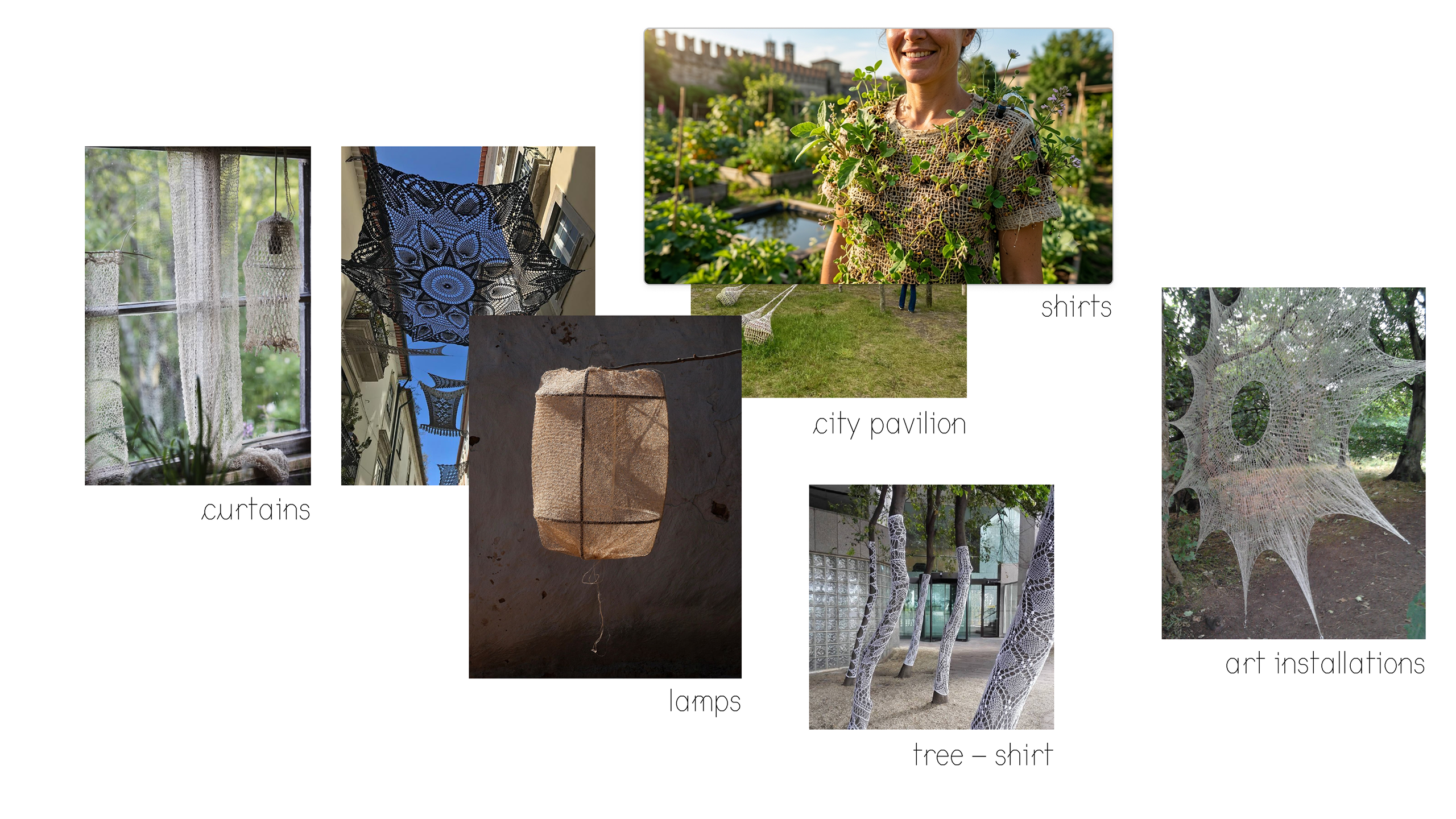
Nature-Inspired Design introduces students to biomimicry as both a way of seeing the world and a practical approach to design. By looking to nature as a source of knowledge, students explore how living systems have evolved to respond to pressure, manage resources, adapt to change and regenerate over time. The course encourages a fundamental shift in perspective: rather than seeing nature as something separate from human activity, students consider themselves as part of interconnected living systems.
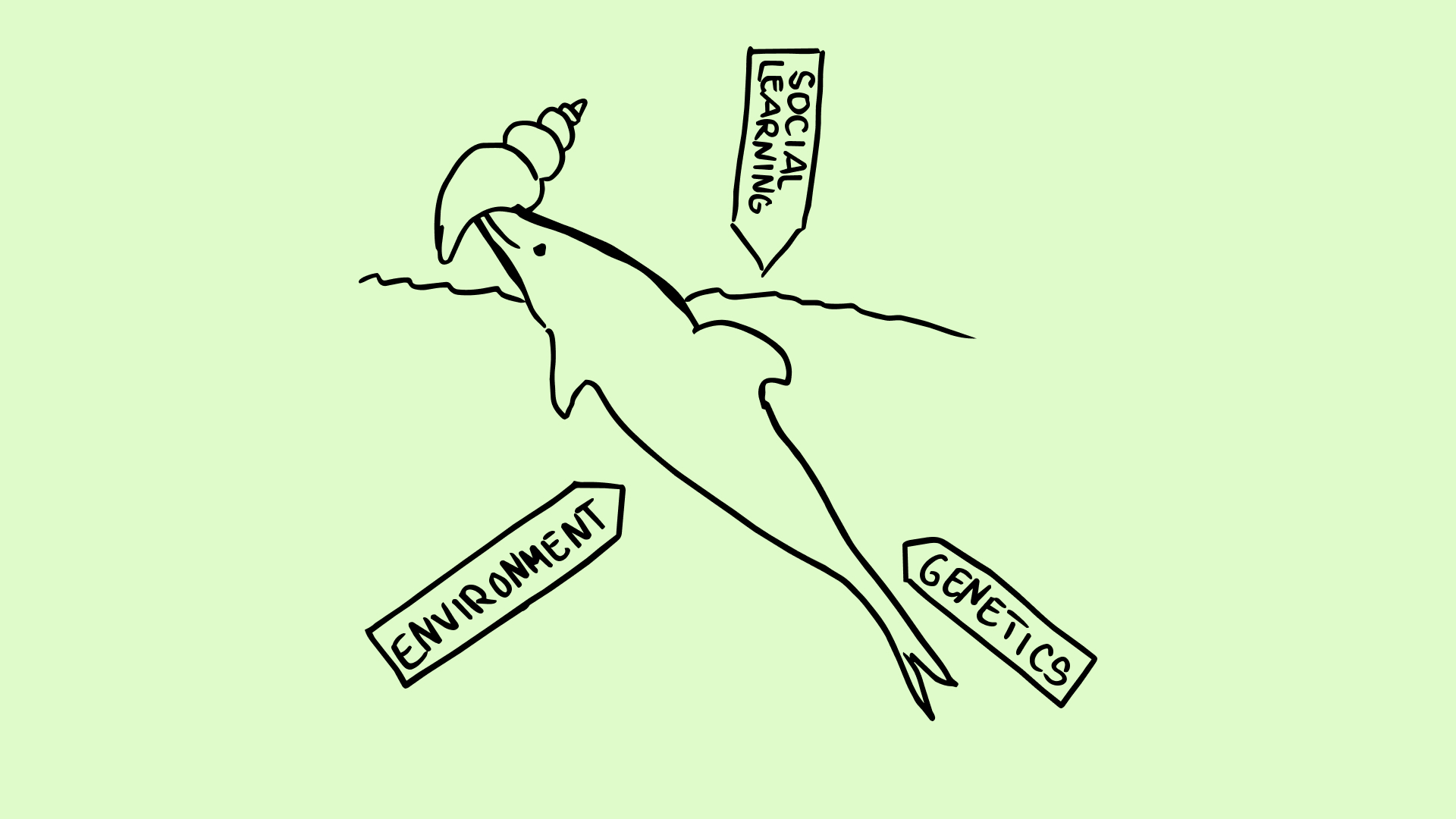
Students are introduced to the Biomimicry Design Spiral and Life’s Principles, alongside concepts such as systems thinking, ecosystem thinking, resilience, reciprocity and regenerative design. They explore two complementary approaches: Biology to Design, which searches for useful strategies within nature, and Challenge to Biology, which translates a human design challenge into a biological question that can be investigated and translated back into design opportunities.
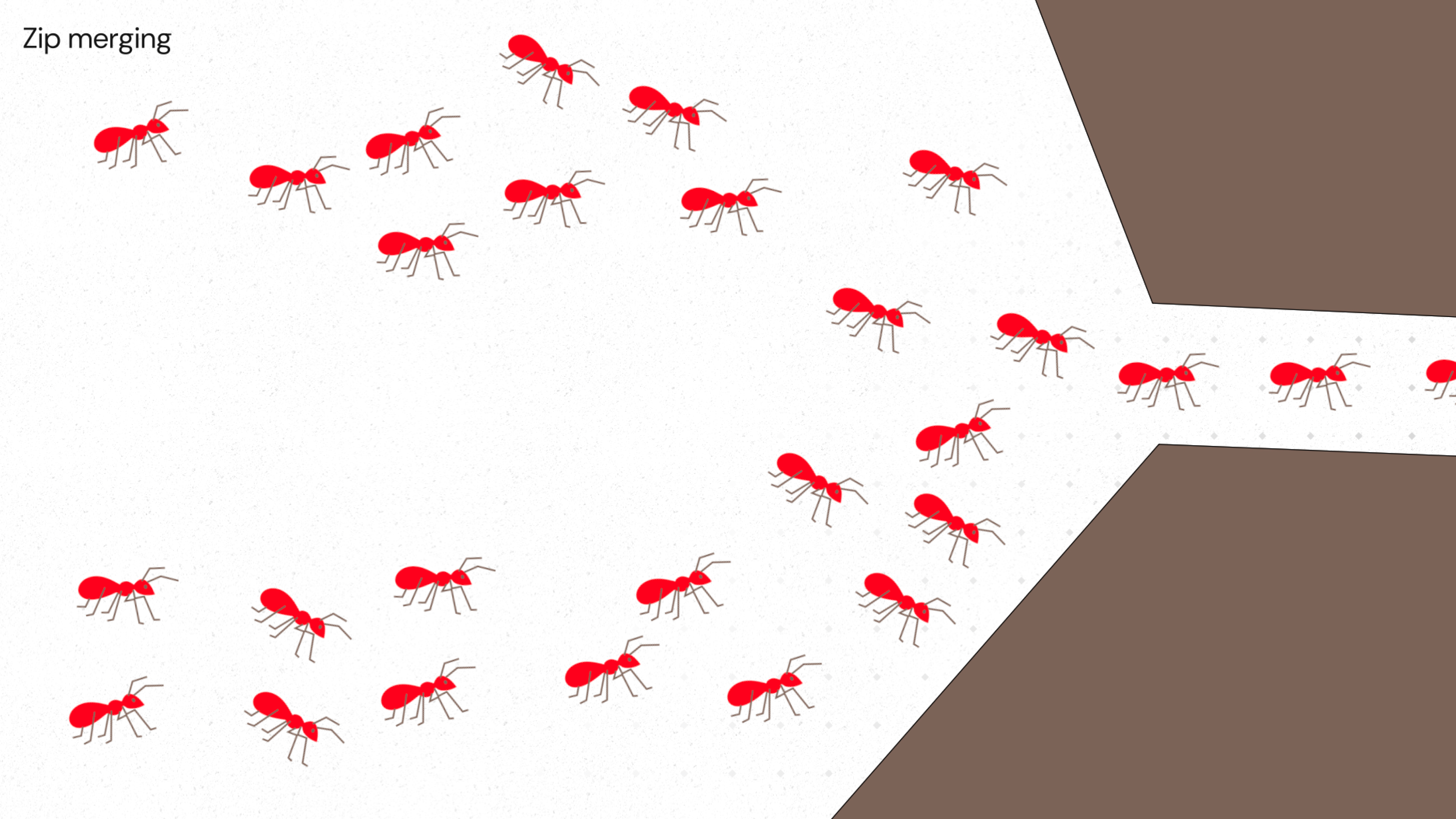
Bergamo provides the perfect living laboratory for this exploration. Situated within the wider context of tourism, mobility and urban change, the city becomes a place to investigate how natural systems absorb disturbance, respond to influxes and create conditions for continued health. Students examine the relationships and flows within living systems and consider how these principles might inform new approaches to urban and social challenges.
The course is framed by a central question: "How does a living system stay healthy under an influx it didn't choose?"
Students use this challenge to explore how Bergamo might move beyond simply absorbing increasing numbers of visitors towards forms of exchange that strengthen and regenerate the city.
Through research, observation and design experimentation, students translate insights from nature into people-centred and life-centred opportunities, connecting biomimicry with the broader goal of creating more resilient, reciprocal and regenerative futures.



Lorenzo Costanzo is a materials scientist and certified biomimicry educator with over fifteen years of experience across academia and industry in R&D and product innovation. His work sits at the intersection of materials science, biomimicry, and systems thinking, exploring how the logic of living systems can reshape the way we design, build, and innovate.He works as an educator and facilitator, creating learning experiences that invite people to slow down, observe, and translate the strategies of nature into new ways of thinking and doing. Rather than treating nature as a toolbox, he approaches it as a mentor, helping individuals and teams develop curiosity, relational thinking, and a deeper sense of interdependence.His technical background spans advanced materials and technologies, from aerogels and graphene to mycelium-based composites and biomimetic approaches to desalination. Alongside his work with companies, he co-founded AConnection, developing programmes that connect biomimicry, ecological thinking, and post-growth perspectives. His work is guided by a simple conviction: the shift we need is not only technical, but cultural,and it begins by re-learning how to pay attention to the living world and our place within it.