
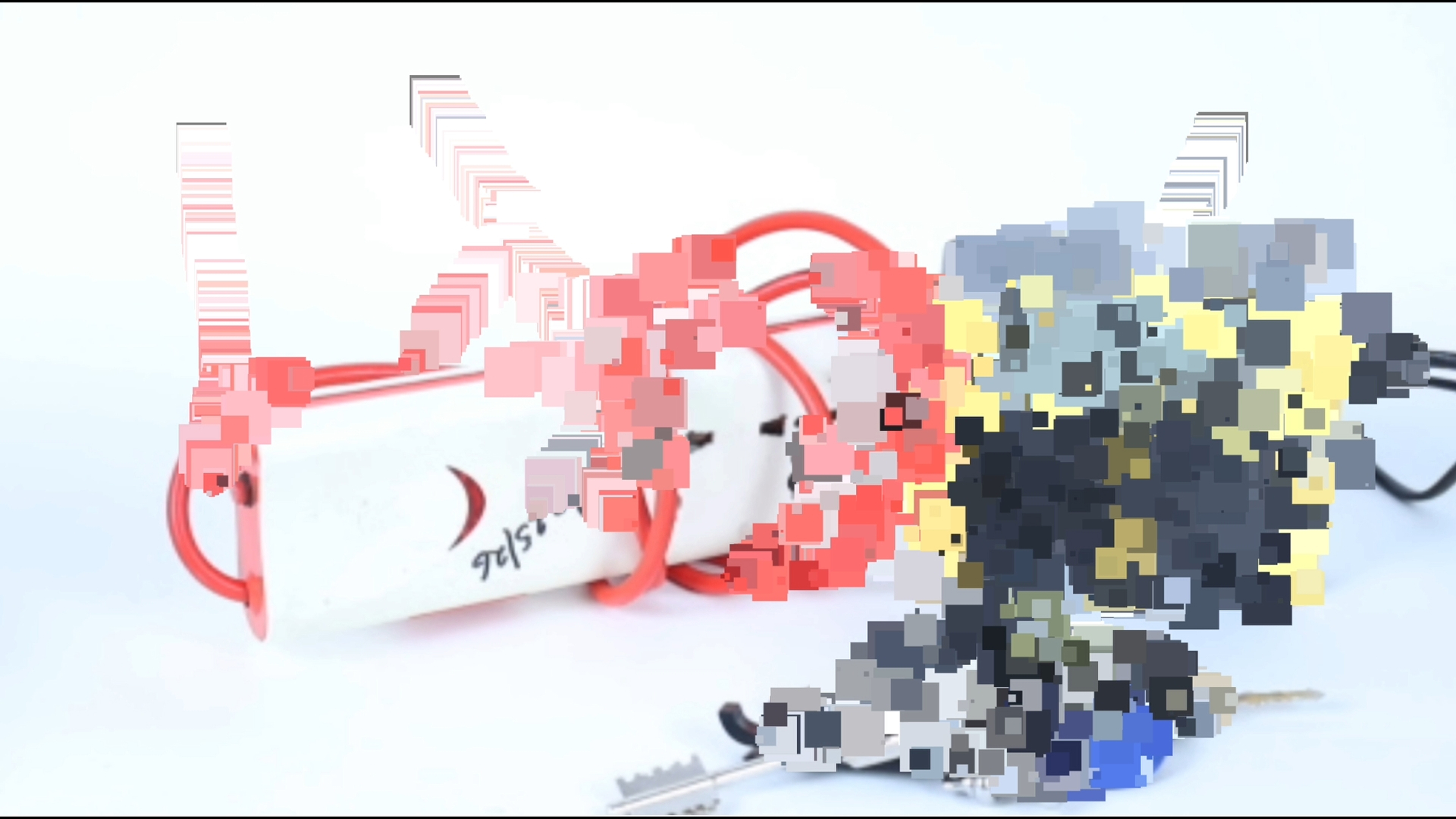
Arriving at CIID on a Monday for the first day of Intro to Programming, we discovered some interesting “bio-experiments” growing in the fridge over the weekend. That got us thinking: How could we transfer a living, growing structure like mold into a digital environment?
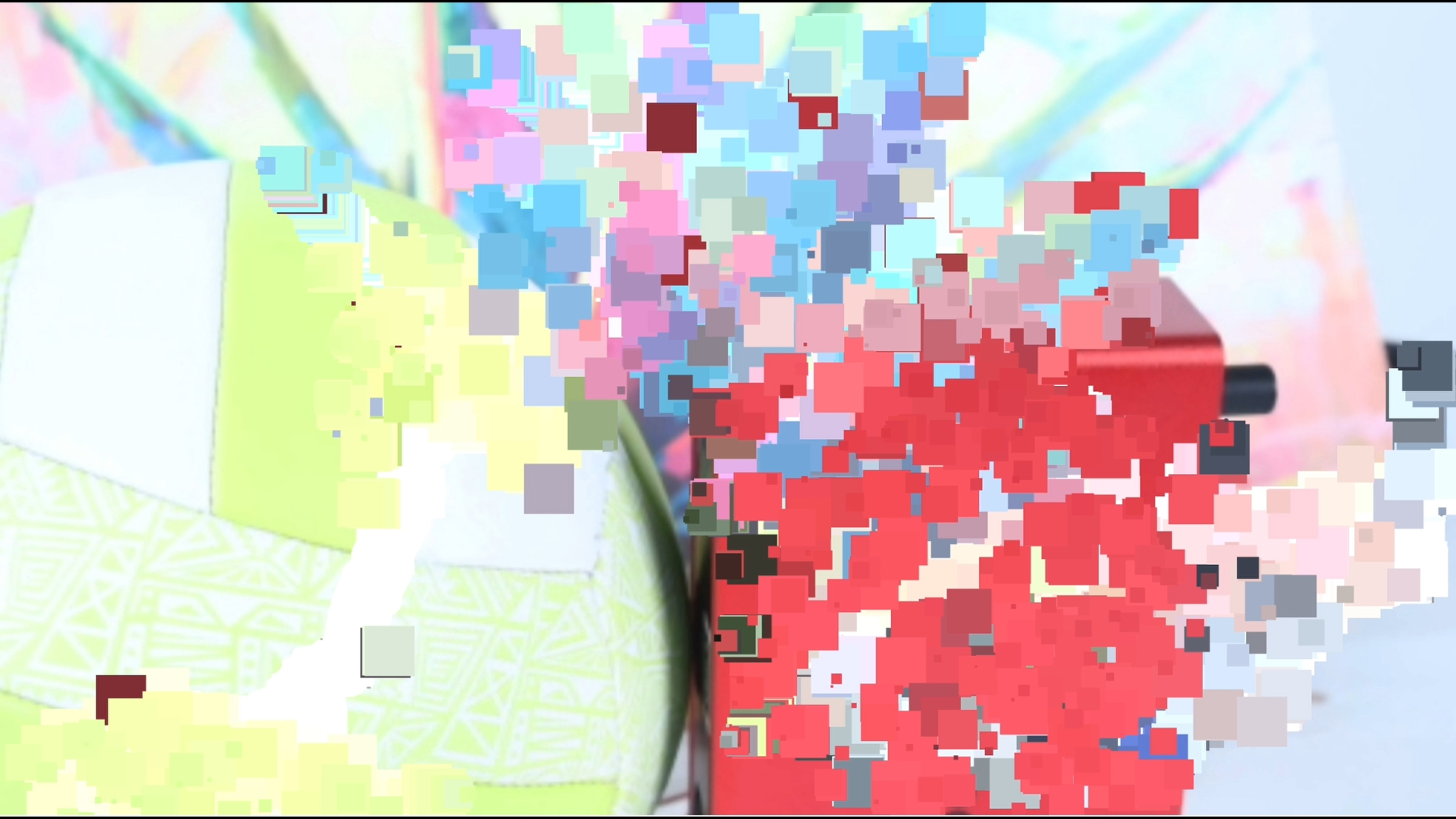
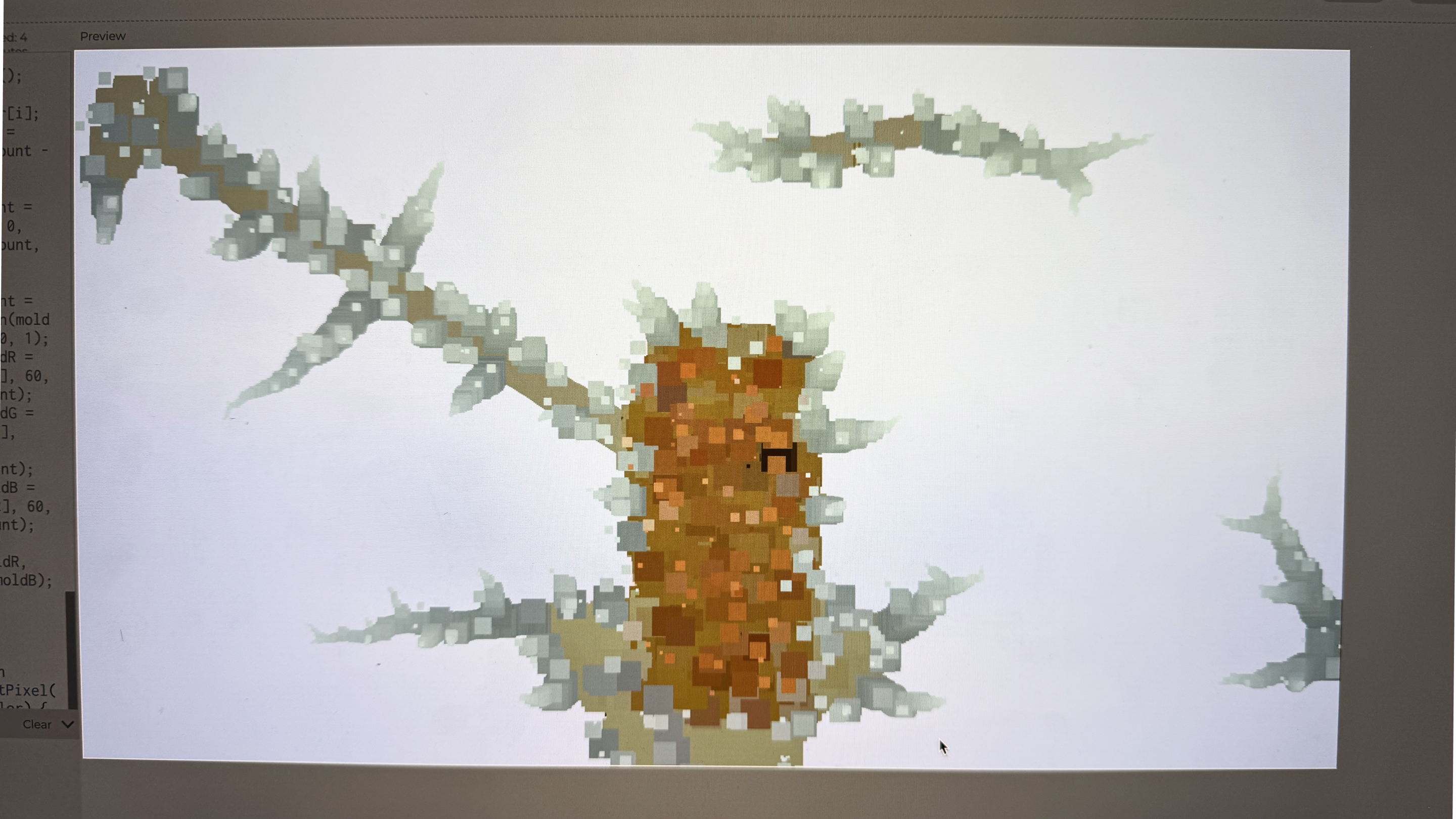
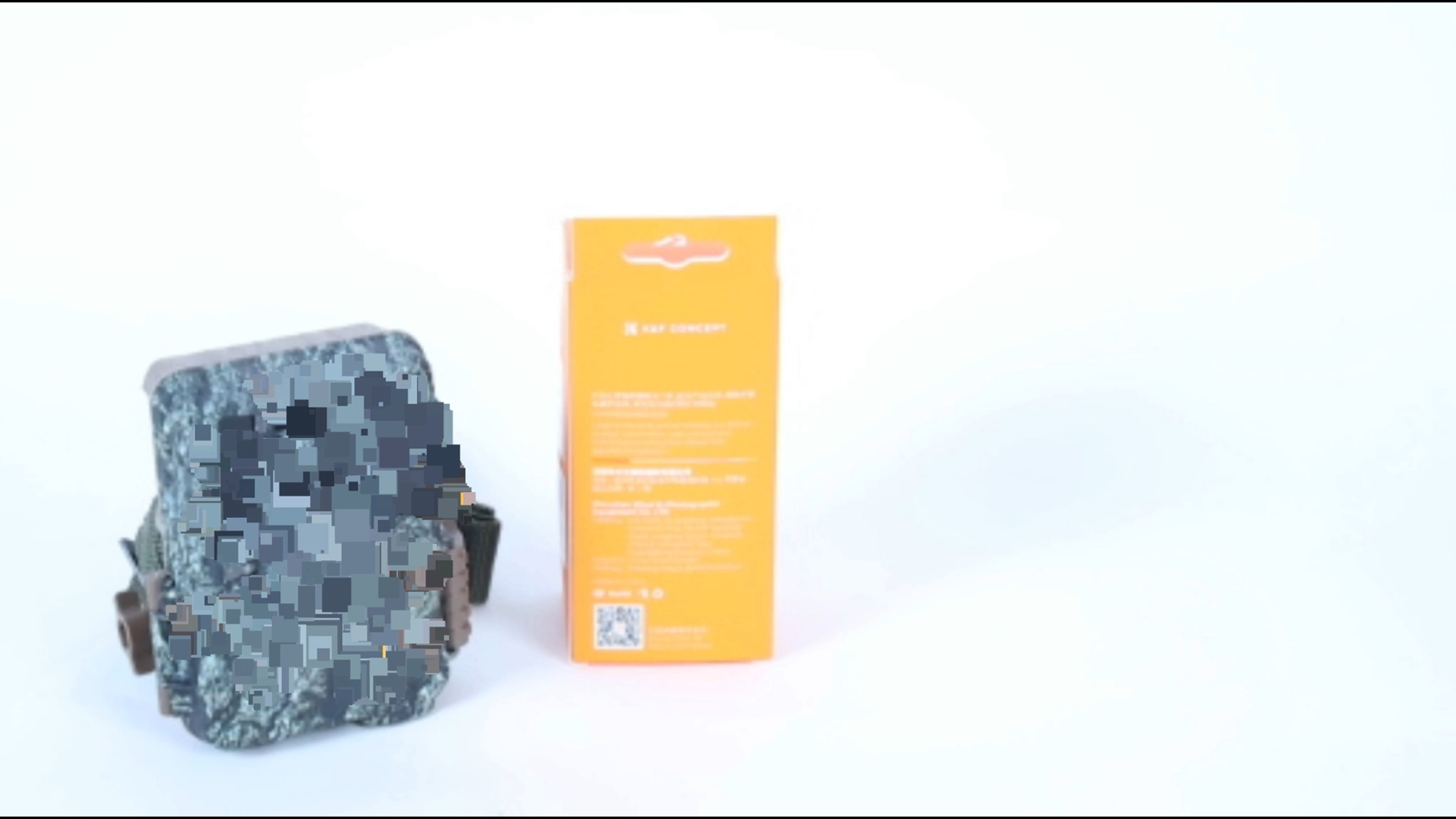
We were intrigued by the idea of writing code for a mold structure that would adapt to different variables and environments, allowing us to experiment and trigger unexpected looks and behaviors. A live camera setup creates the canvas for this digital “living organism.” As objects are placed and moved in front of the lens, the mold sprouts from points within them, searching for connections to its existing structure and generating new particles based on local pixel colors. Over time, these particles grow in size and shift in color, mimicking a living fungus strengthening its paths.
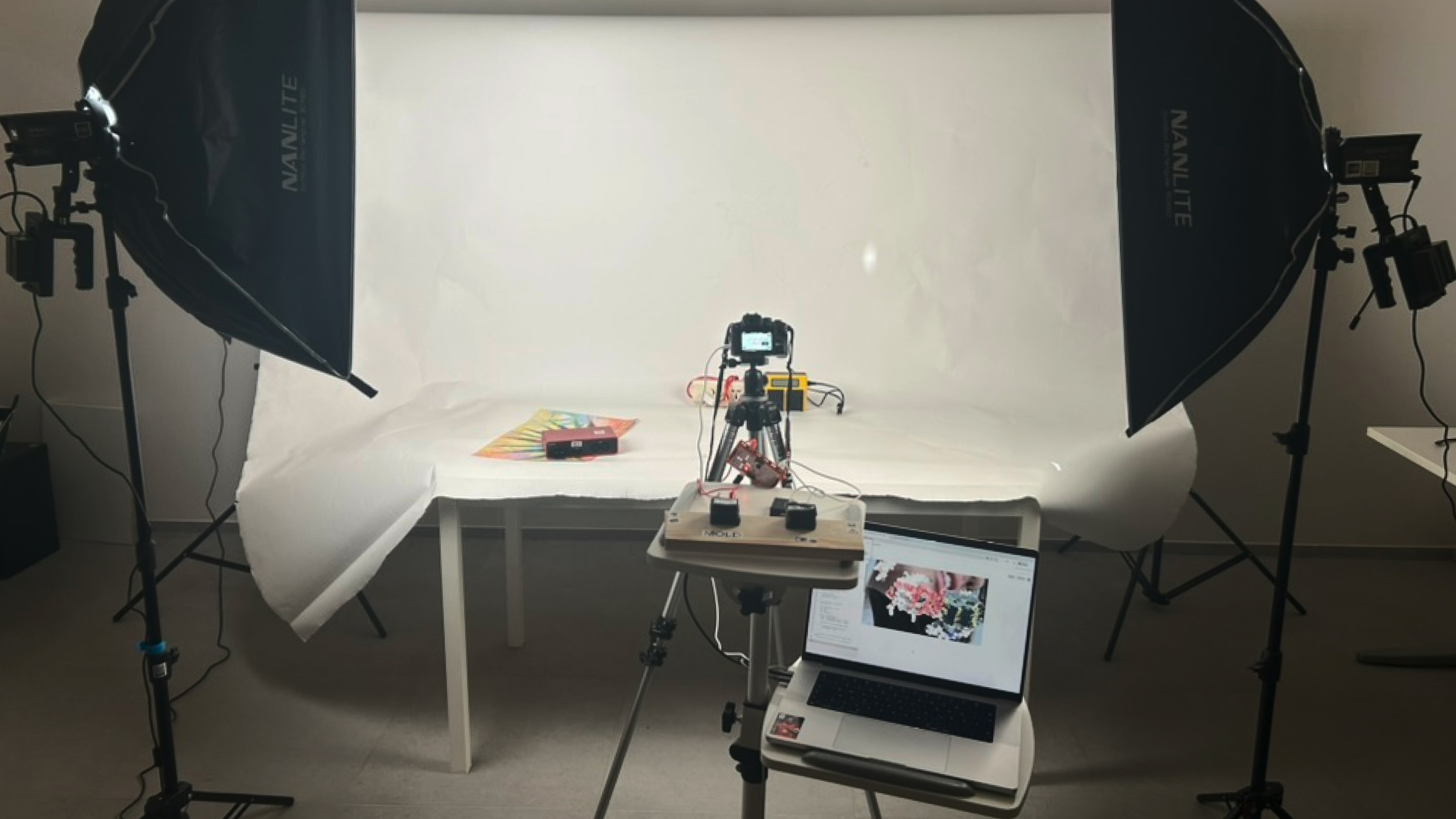
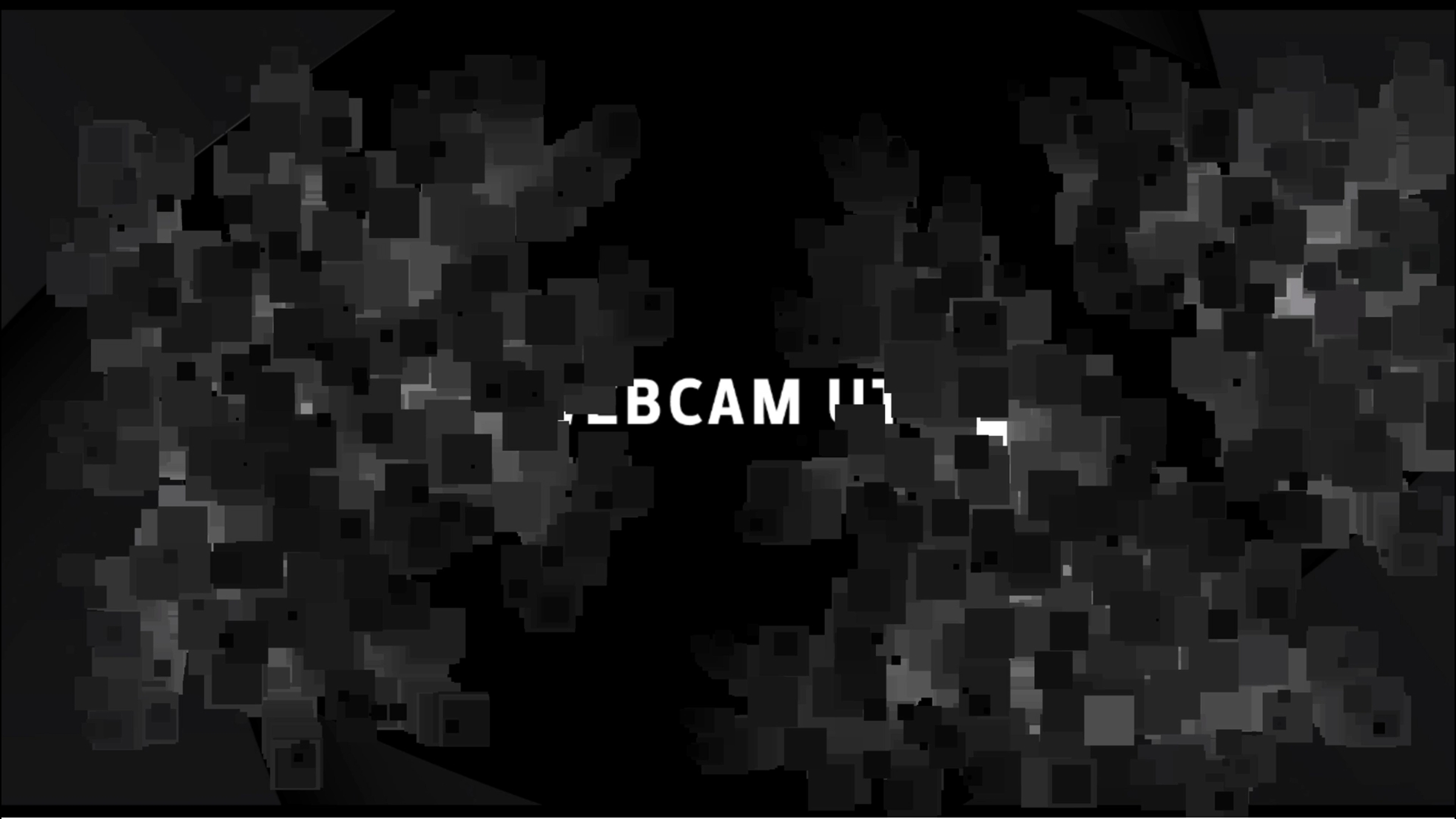
By programming the growth to be unpredictable and reactive to the live camera feed and prototyping physical buttons for our setup, we moved away from the code itself. This physical interface gave us the freedom to step out from behind the screen and start playing, experimenting with objects, food, and even ourselves in front of the lens. Ultimately, the mold began taking over the canvas, even spreading across screensavers and proliferating into spaces we did not intend it to reach.
It was fascinating to use this highly structured, digital environment full of rules to create an adaptive growing organism that ultimately chose to misbehave.
The Video shows the digital mold in the its final state and behavior.


.jpg)