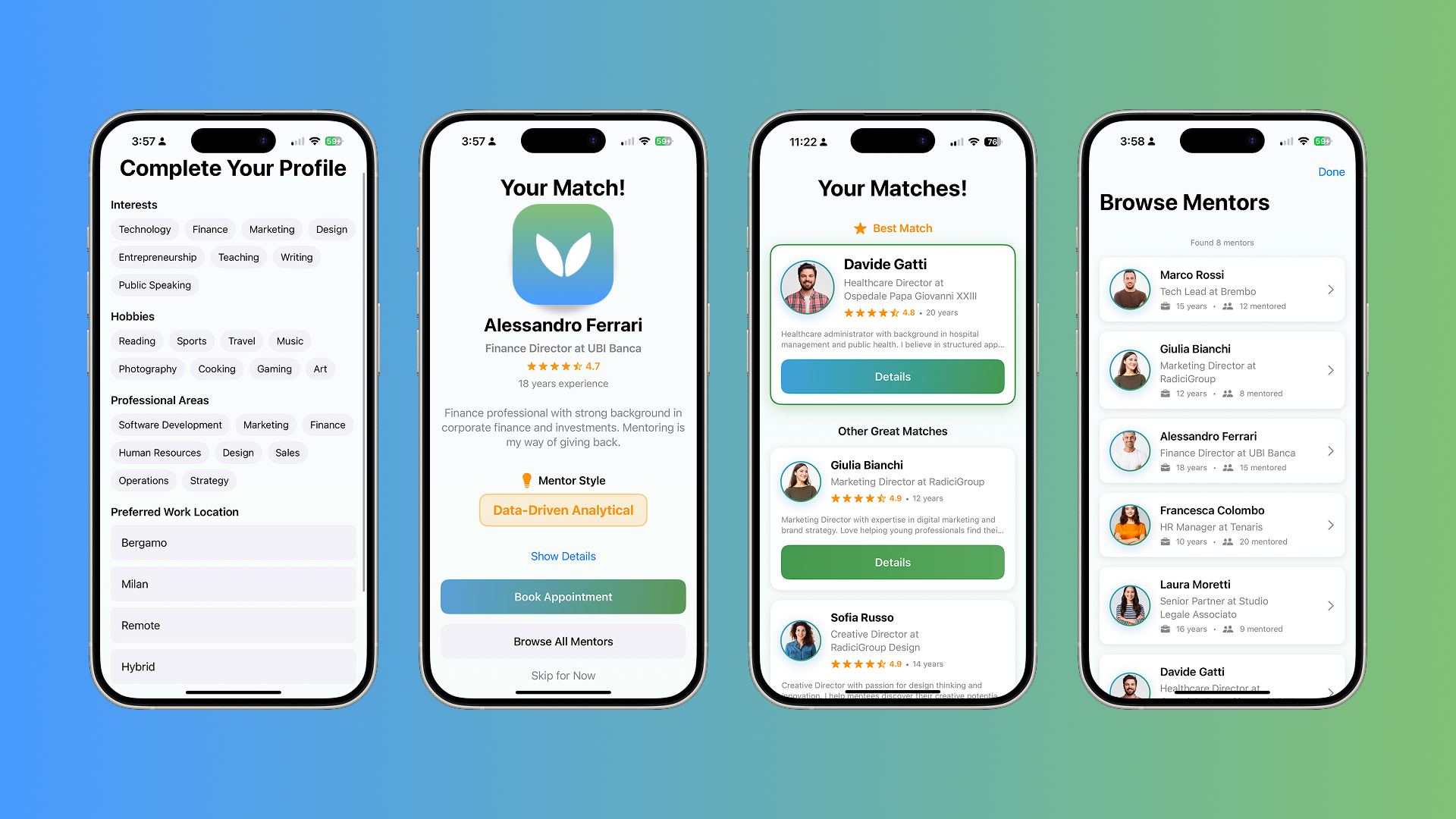
The Virgilio project is a service design initiative aimed at supporting young adults in Bergamo as they transition from education to employment. The project addresses a critical gap in the current system, where many young people experience uncertainty, anxiety, and lack of direction when entering the job market. Research shows that employment rates among youth are relatively low, and many individuals struggle to find jobs aligned with their education and skills.
The core problem lies in the fragmentation of career support services, limited access to mentorship, and ineffective institutional systems. Young people often rely on informal networks rather than official channels, which creates inequalities in access to opportunities. Additionally, there is a significant mismatch between academic training and labor market demands, leading to underemployment and dissatisfaction.
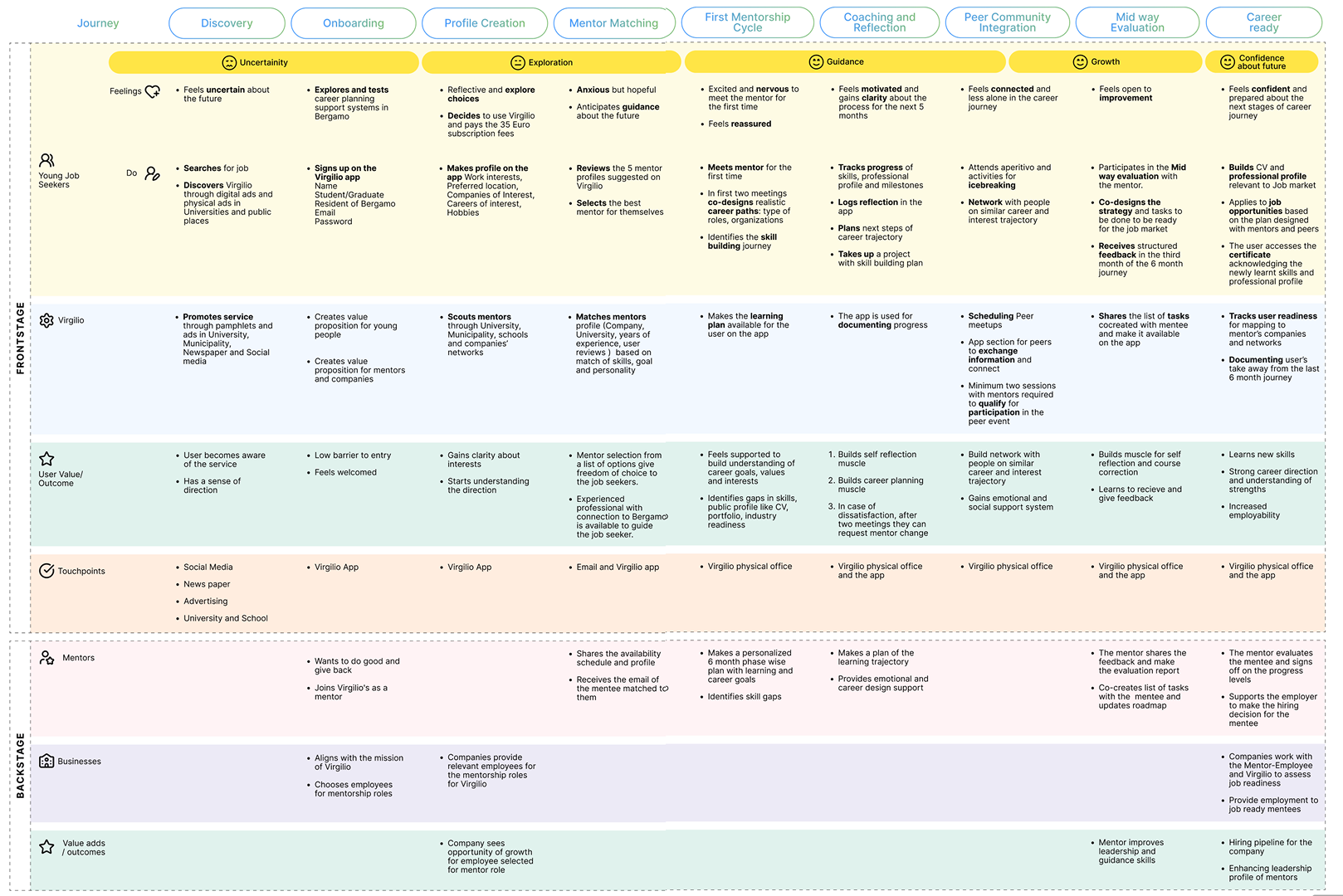
To tackle these challenges, Virgilio proposes a hybrid service that combines a digital platform, physical spaces, and a community network. The platform enables mentor matching, progress tracking, and career reflection, while physical spaces facilitate in-person mentorship and workshops. A key component of the service is peer networking, which helps users build connections and share experiences.
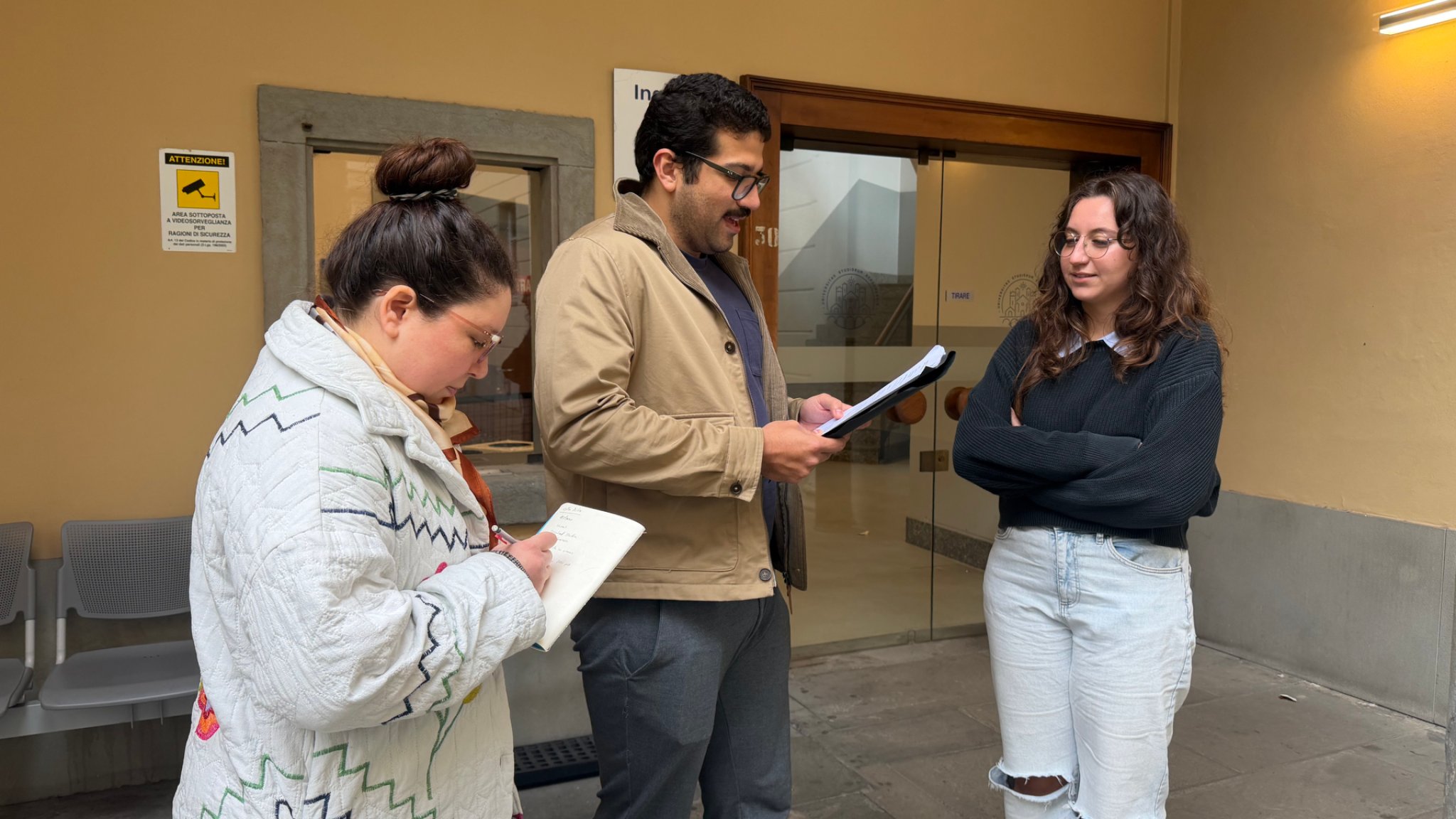
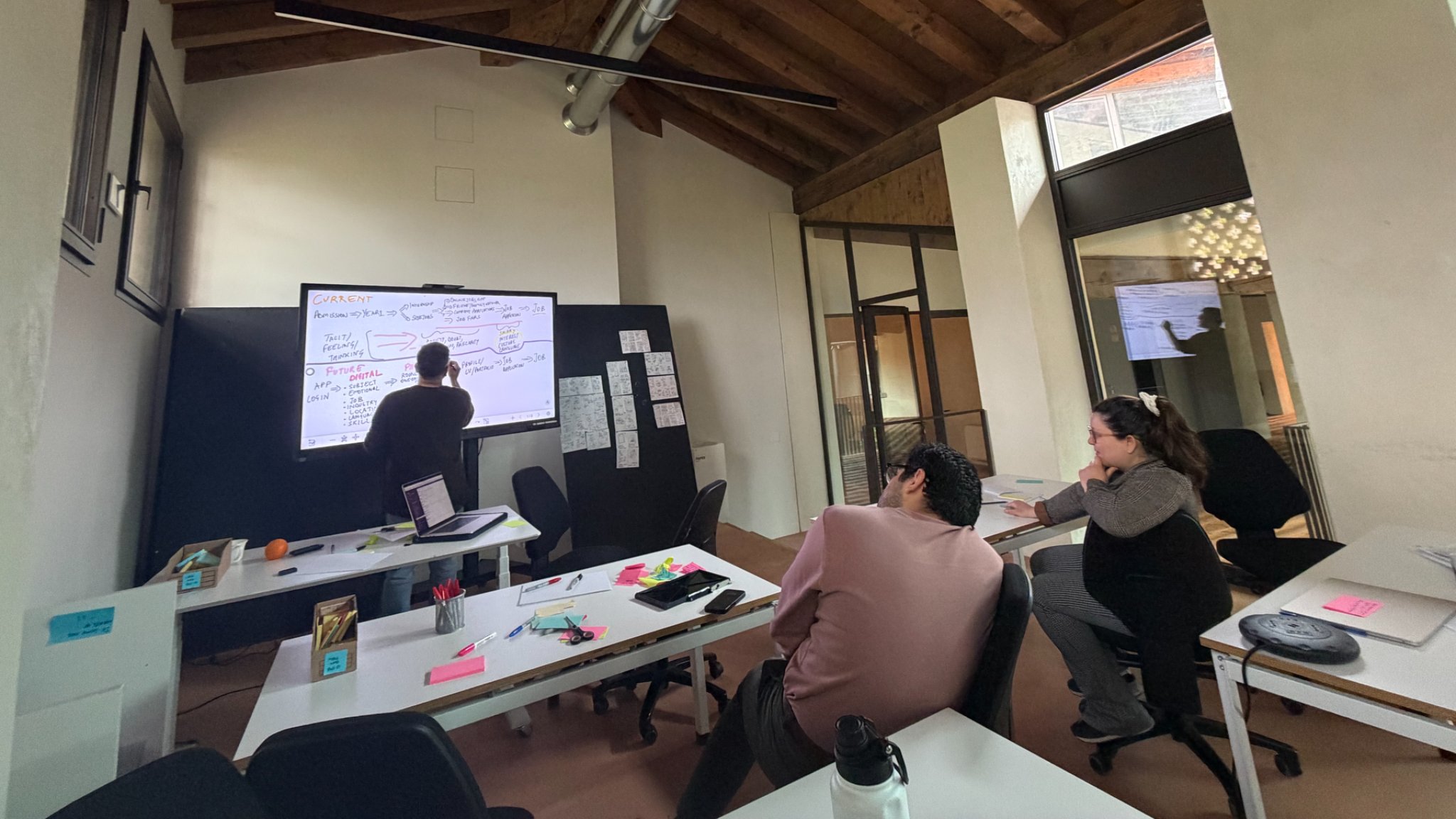
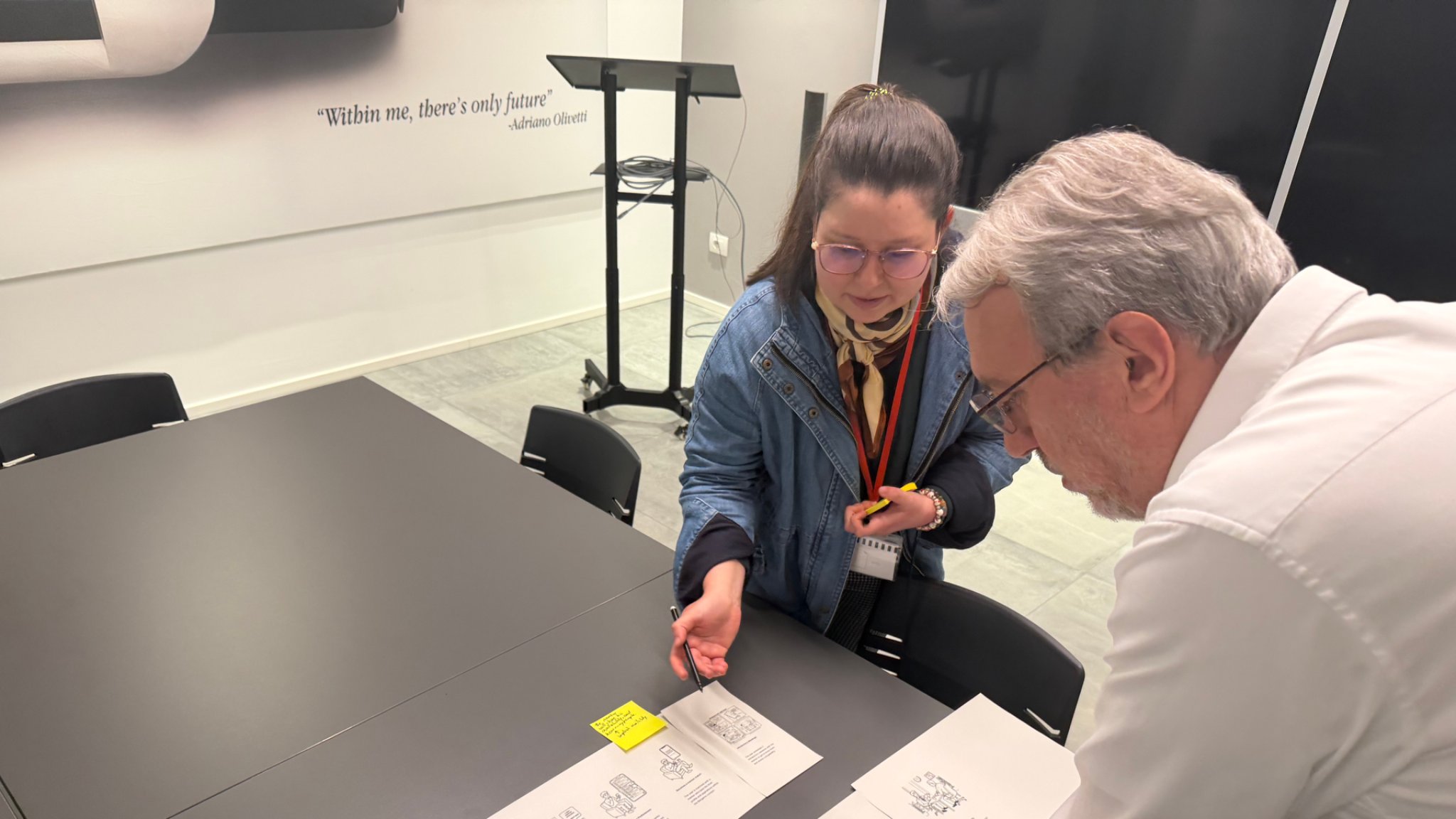
The design process was based on extensive research, including surveys, interviews, and stakeholder engagement with universities, professionals, and local organisations. Insights highlighted the importance of trust, community, and personalised guidance in improving career outcomes.
Virgilio creates value for multiple stakeholders. Young users gain clarity, skills, and confidence; mentors develop leadership and give back to the community; and companies benefit from access to a prepared talent pipeline.
Overall, the project presents a holistic, human-centered solution that integrates mentorship, networking, and career development to improve youth employment outcomes in Bergamo.