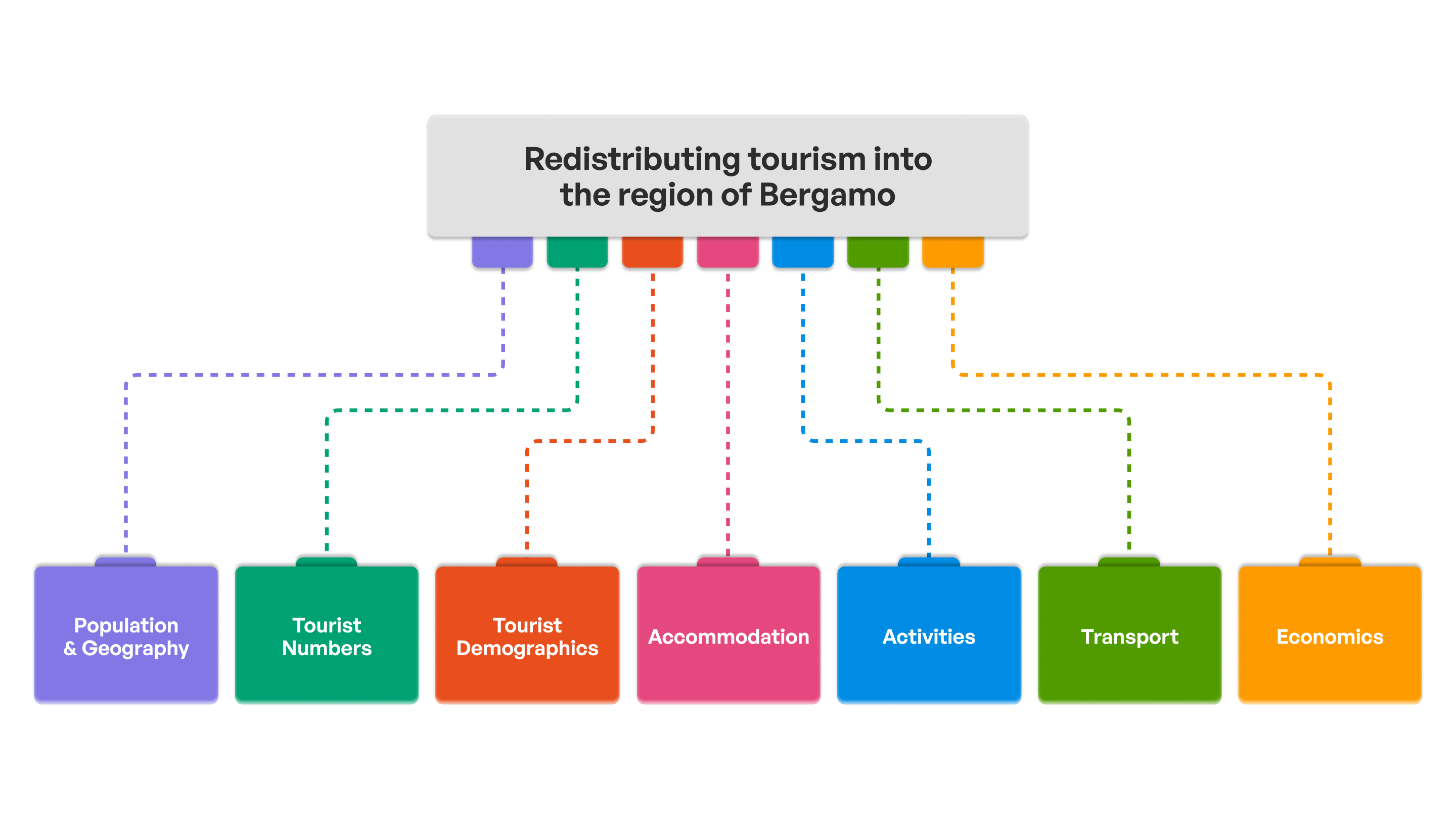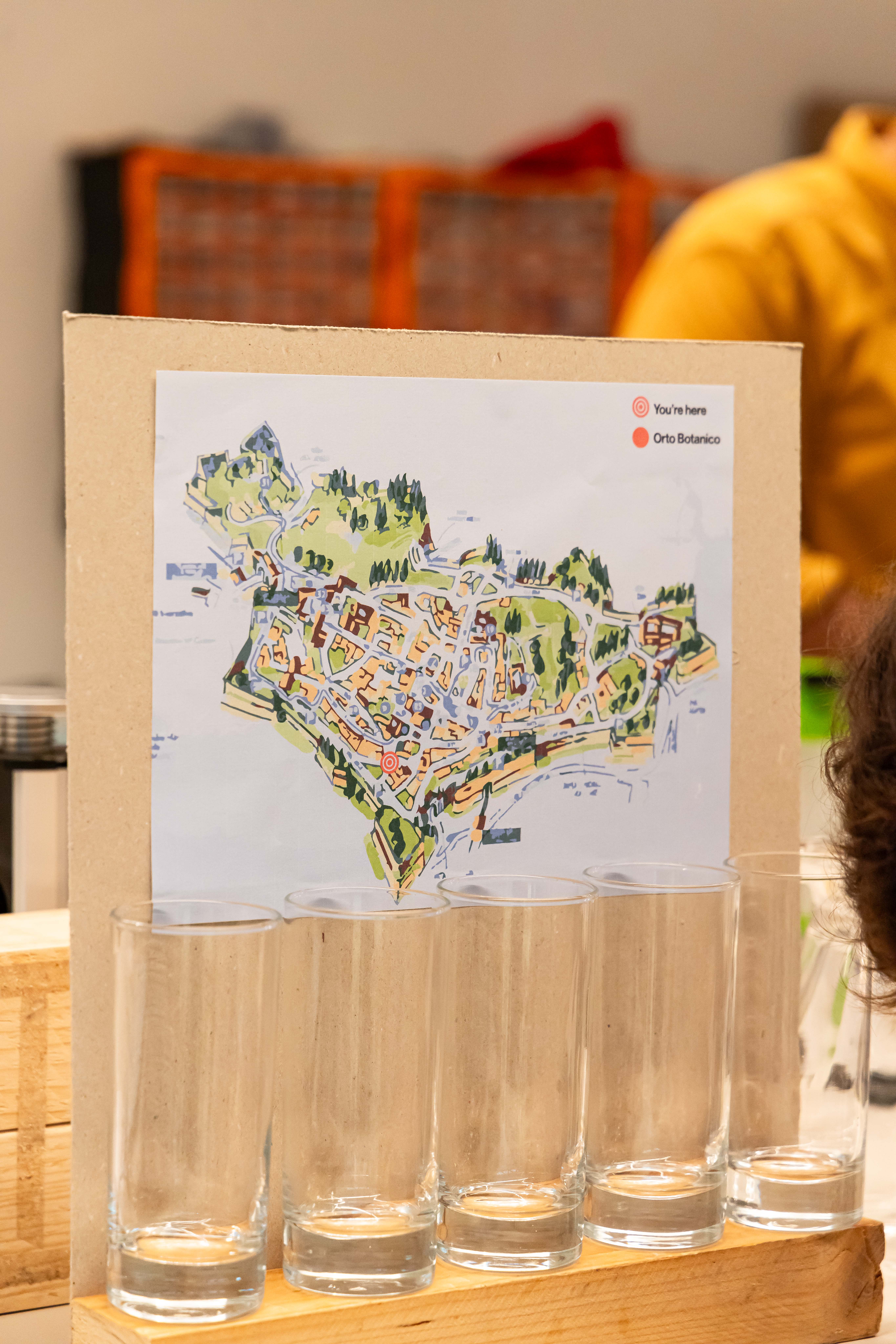
Data as a Design Material introduces students to data as a source of insight, inquiry and creative possibility. Rather than treating data simply as something to analyse or visualise, students explore how data can reveal new perspectives, challenge assumptions and inspire design interventions. Through quantitative and qualitative research, observation and critical thinking, they learn to move between individual experiences, broader systems and different scales of context.
The brief for this course was grounded in the changing relationship between Bergamo and tourism. Students investigated the rapid growth in visitors and consider what the city might learn from places that have experienced the pressures of mass tourism. Using data as a starting point, they explored the opportunities for more balanced and regenerative forms of tourism that support both visitors and the everyday lives of local communities.
Students began by engaging with expert perspectives before identifying patterns, connections and opportunity spaces within the data. They developed their ability to think tangentially, ask new questions and connect seemingly unrelated data points to human experiences and wider systems. Concepts including regenerative tourism, community participation, trust, hope and desired futures provided additional lenses through which to interpret their findings.
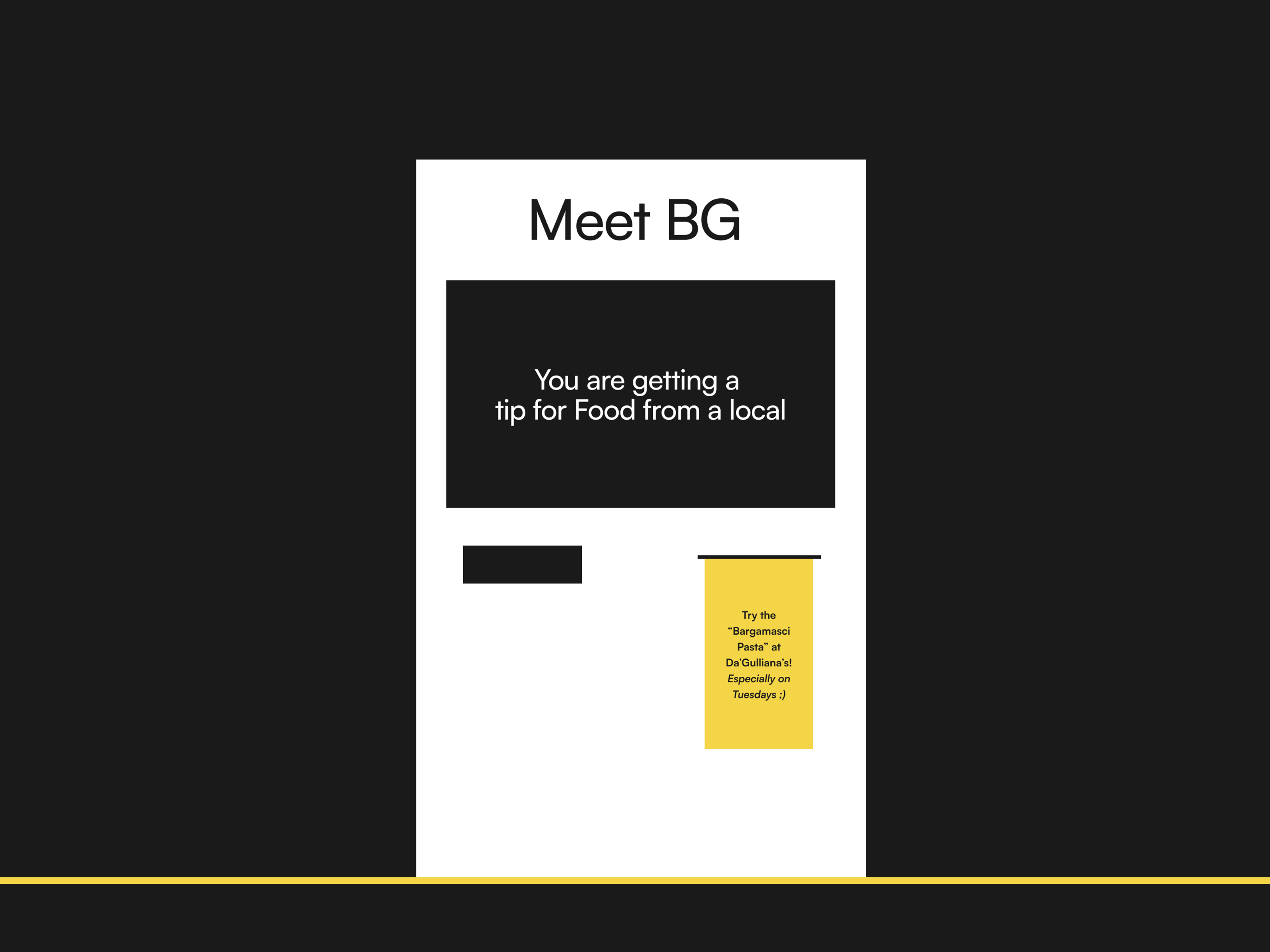
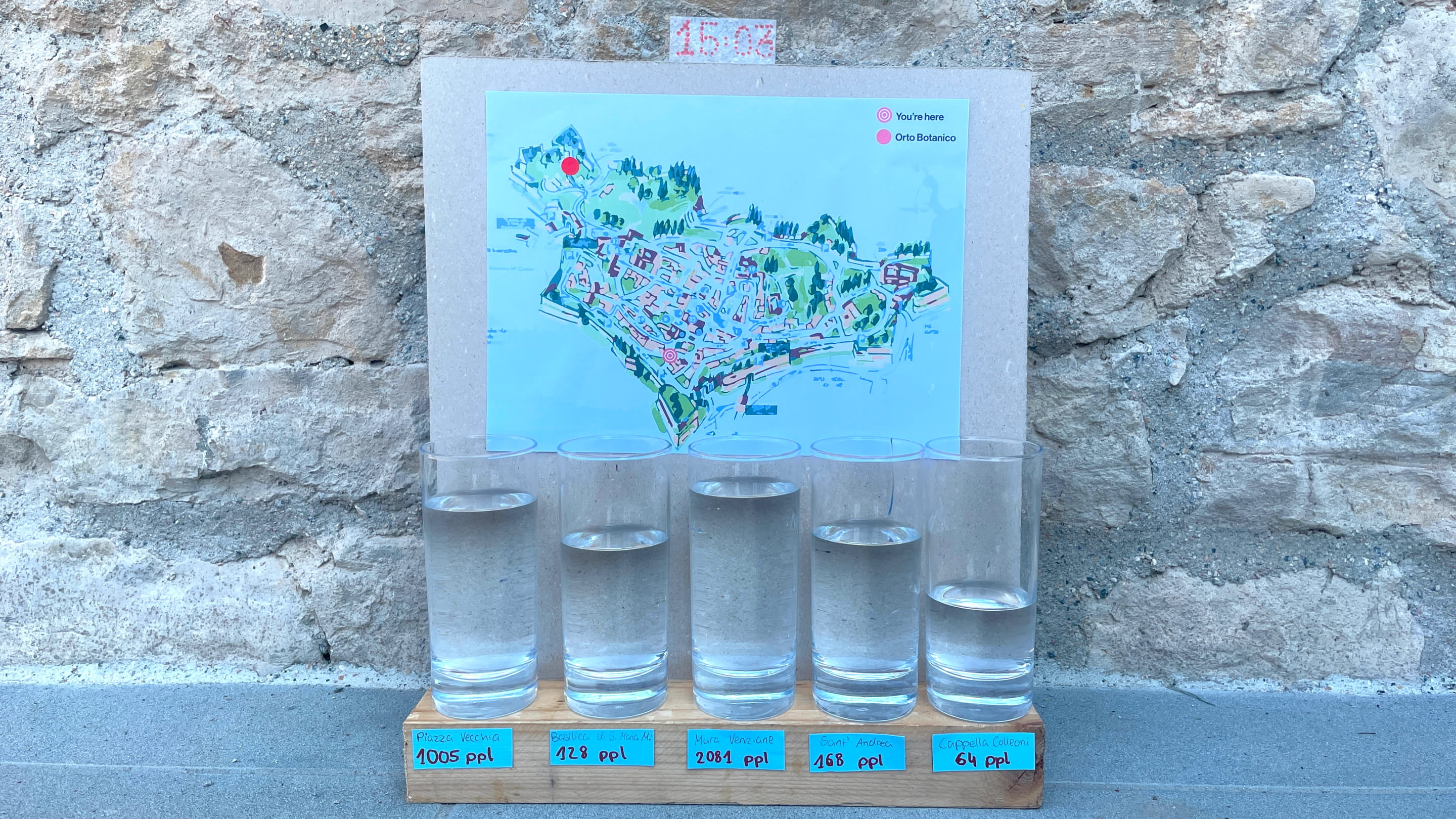
Working from their research, students conceptualised a data-inspired design intervention. This could take the form of a service, spatial or technological artefact, communication, policy mechanism, experience or ritual. Projects were grounded in evidence and designed for specific stakeholders rather than abstract audiences.
The course culminated in a presentation of the design process, data narrative and final concept or prototype. Students demonstrated how their research shaped their decisions and how data can become a powerful material for imagining more hopeful, regenerative and human-centred futures.


Iskra Uscumlic is an interaction and service designer with expertise in transforming complex data into clear and useful experiences. She focuses on bridging human needs with system realities, creating services that are not only life-centered but also sustainable and scalable. Her practice spans co-creation workshops, user research, and strategy development, working with diverse communities to design services that truly make an impact.

Michael Brenner is a Designer, Facilitator, and Creative Data Strategist, and currently leads the Interaction Design Programme at CIID. With just over two decades of experience working in cross-disciplinary teams across the cultural, educational, and social impact sectors, his work centers on research, social impact, and community-based design interventions.
Prior to joining CIID, Michael helped establish Data4Change as a non-profit organisation. Data4Change works with a wide array of civil society organisations, activists, human rights defenders, and creative talent, collaborating at the intersection of data, design, technology, and journalism to forge real change and lasting impact. Before that, he served as Design Director at data and design studio Beyond Words Studio (formerly Information is Beautiful Studio) in London.
Earlier in his career, Michael ran his own studio and design collective in Rotterdam, the Netherlands — ContentContext — where he also taught Graphic Design at the Willem de Kooning Academy and lectured in the Fashion department on design, communication, and lifestyle trends. Prior to founding his own studio, he worked as a designer at MGMT. Design and Tsang Seymour Design in New York City and Winterhouse Studio.
Across these roles, he has had the opportunity to work on and lead projects for organisations including the UN, World Bank, Bill & Melinda Gates Foundation, Google, the Guggenheim Museum, MoMA, the New York Times, Cooper Hewitt, Al Gore, and Queen Sirikit of Thailand, among others.