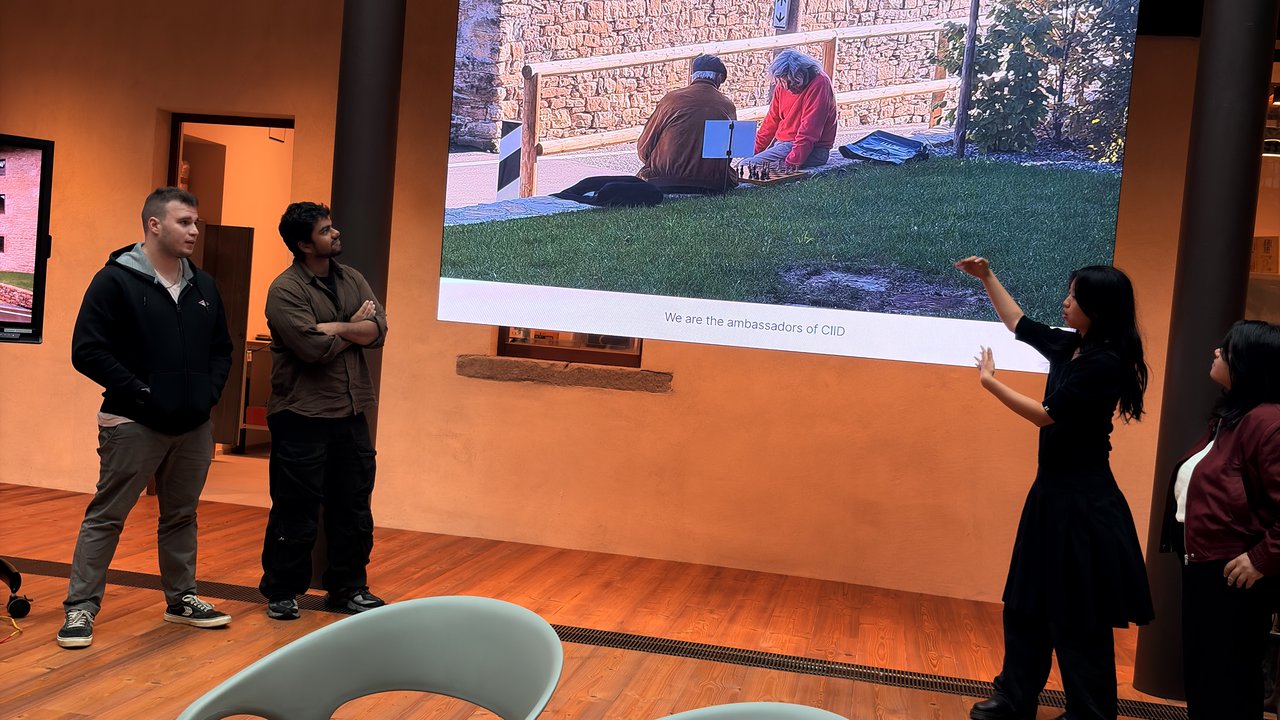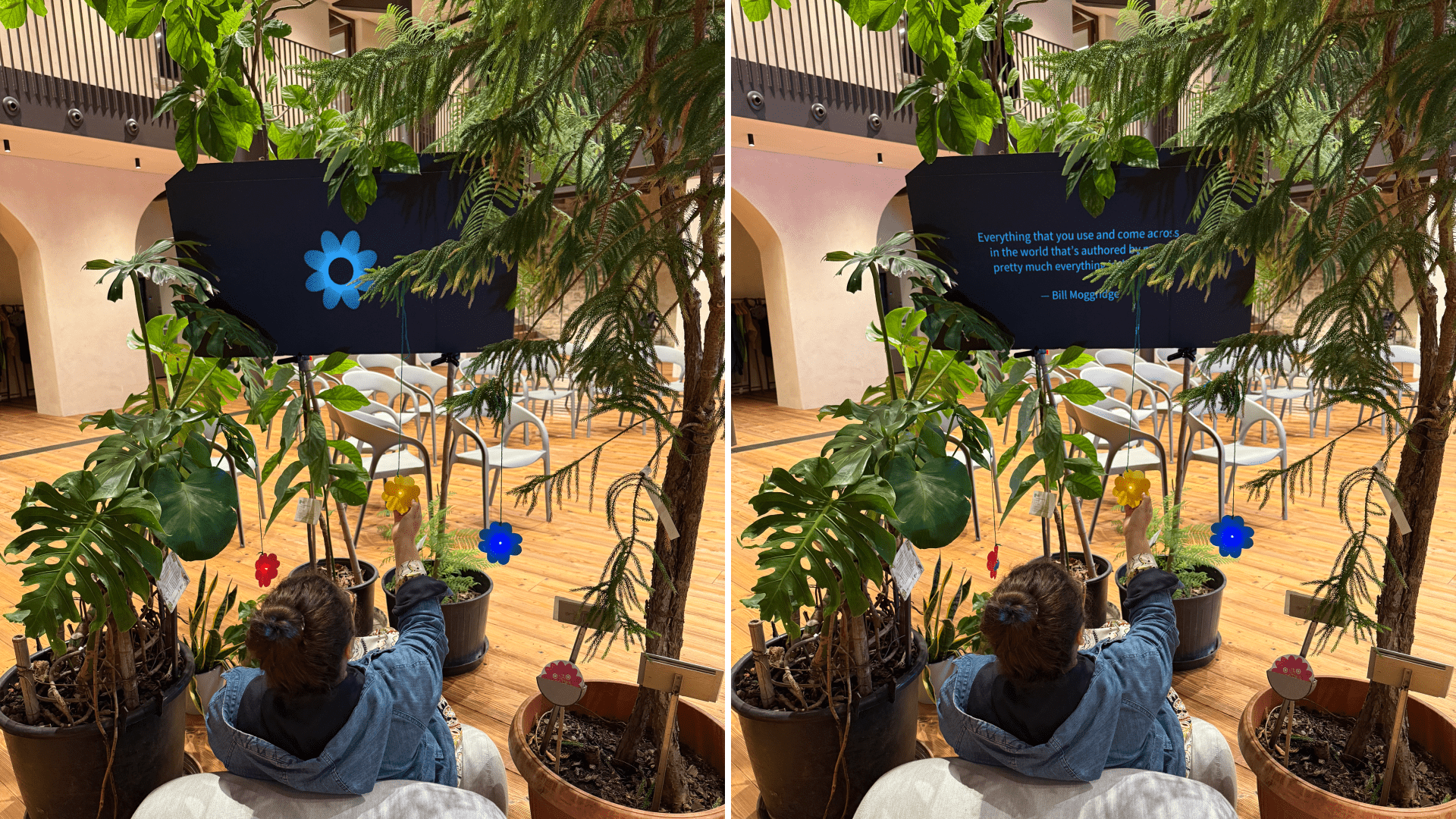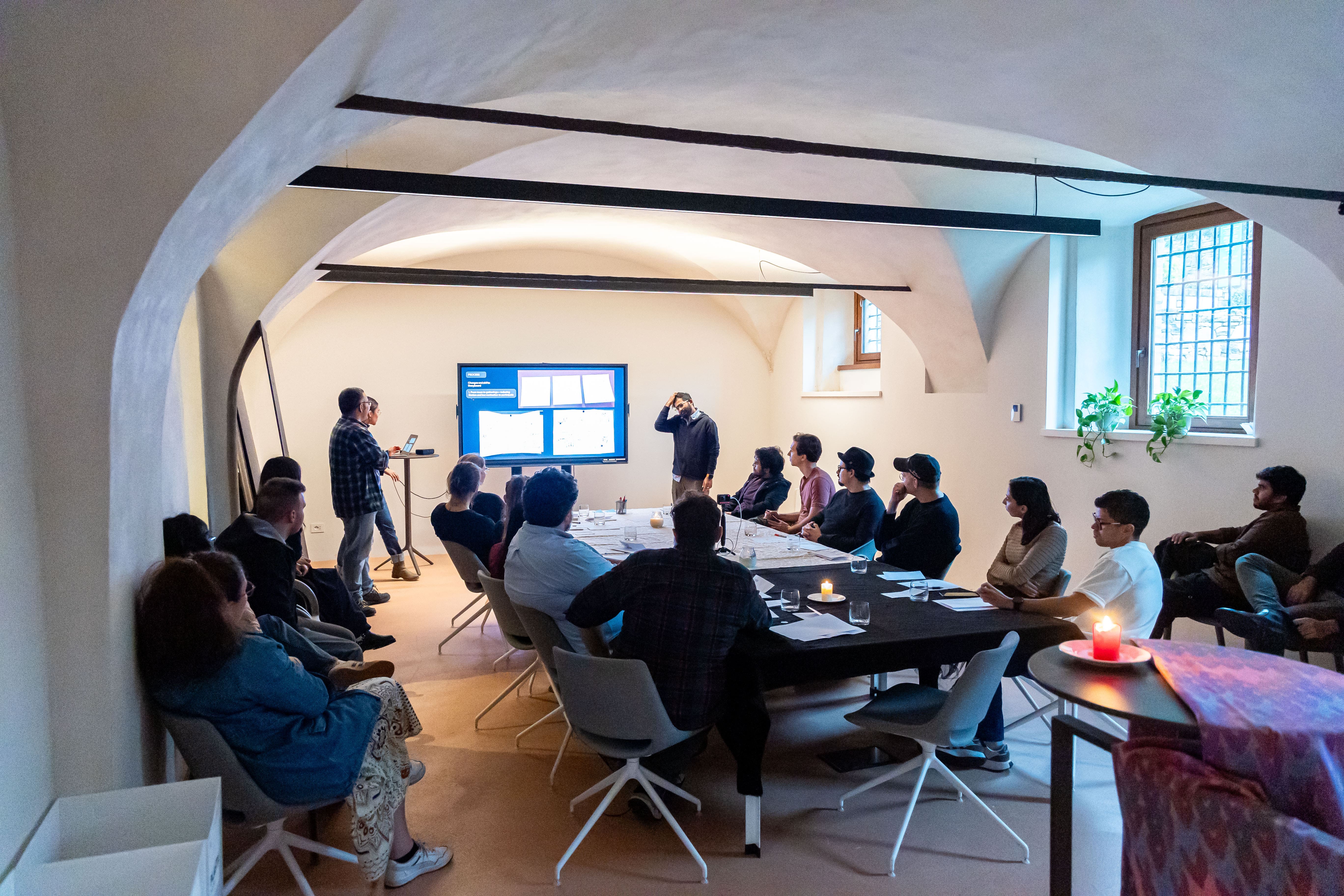
This five-day course immerses students in the fundamentals of design process, guiding them through a realistic yet compressed end-to-end design challenge. The goal is not perfection, but fluency, learning to move through cycles of research, ideation, prototyping, and refinement with confidence and agility. Listen. Test. Build. Repeat.Design is rarely linear. Good solutions emerge through iteration: testing ideas early, learning from what doesn't work, and continuously refining based on feedback and observation. This course emphasises that rhythm, encouraging students to embrace uncertainty and use each cycle as a tool for discovery.Students gain hands-on experience with an open brief that requires field research, generating insights, and formulating meaningful problem statements. They will learn to conceptualise and communicate their ideas clearly, and practice rapid prototyping as a way of thinking through making. Throughout, there will create regular touchpoints to share work-in-progress, feedback, and articulate design decisions.By the end of the week, students leave with a portable process they can adapt to future projects, familiarity with methods used across different stages of design, and experience in communicating their thinking—from early hunches through to resolved concepts.


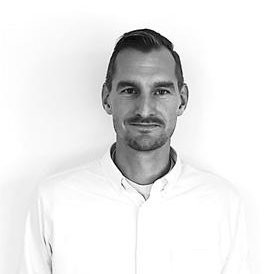
Ulrik is a Senior Design Director at Carta where he spends his time designing software for the private markets. As a design director, Ulrik has worked everything from early stage start-up to big corporate to late stage and agency. He’s led teams at R/GA and Frog Design, rode the WeWork rollercoaster up (and down), run out of runway designing real estate software and shipped software to hundreds of millions at BBC News.

Simon Herzog is a strategist, service designer, and experience designer. He helps organizations and institutions make sense of complexity, whether through better services or better stories. Since 2017, he has led the Vienna-based consultancy Anglemap, working with clients like Novo Nordisk, Maersk, and the Red Cross to redesign systems with empathy and strategic clarity.
Simon also works as an experience designer on large-scale cultural and public projects, including World Expo pavilions and international exhibitions, where he helps shape the core narrative: what we want people to feel, understand, and remember. From research and facilitation to storytelling and strategic framing, his role often bridges the abstract and the tangible.
He holds degrees in sociology from Columbia University (cum laude) and interaction design from CIID (with honors). He thrives in contexts that involve human nuance, cultural sensitivity, and interdisciplinary collaboration.