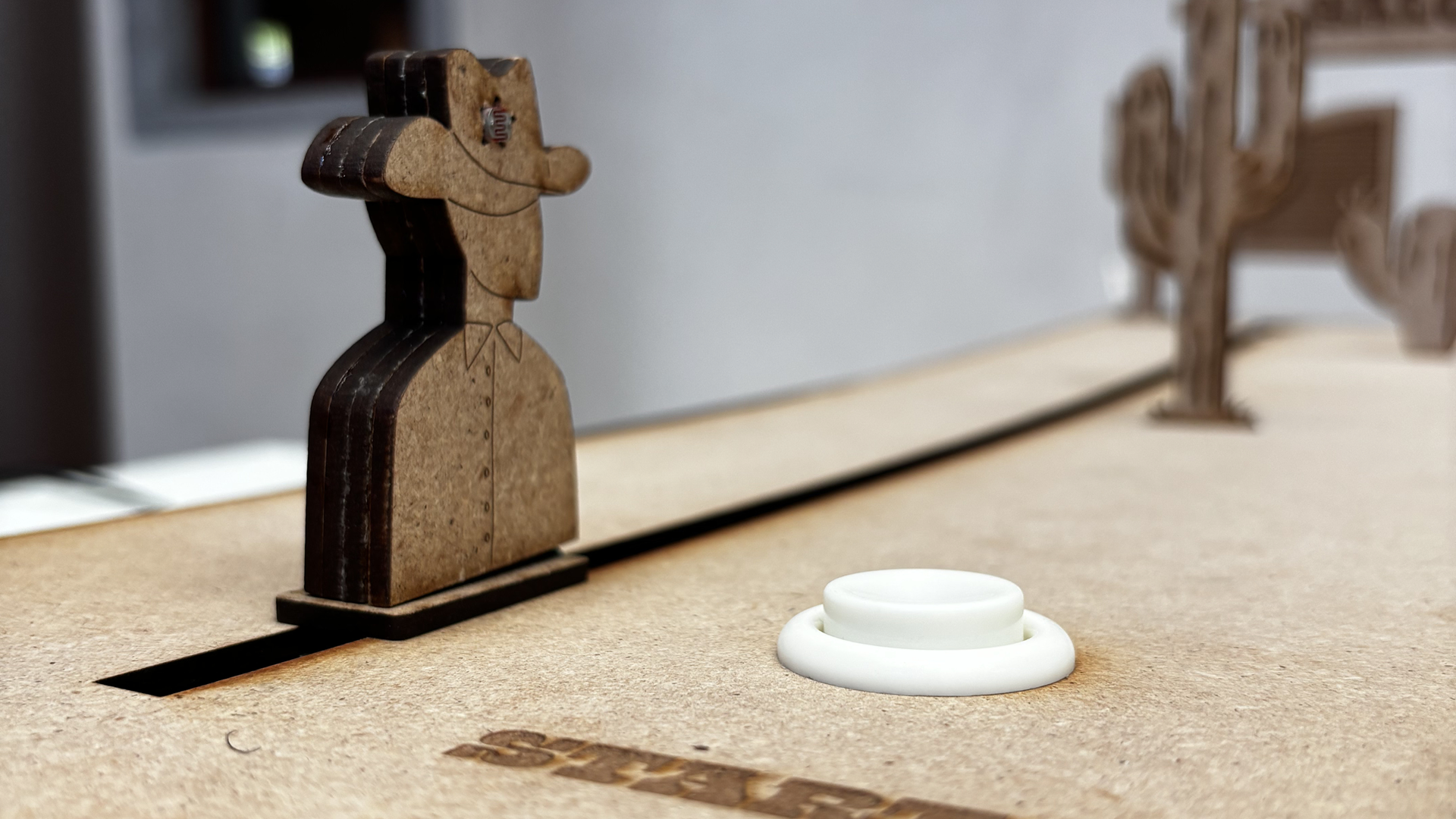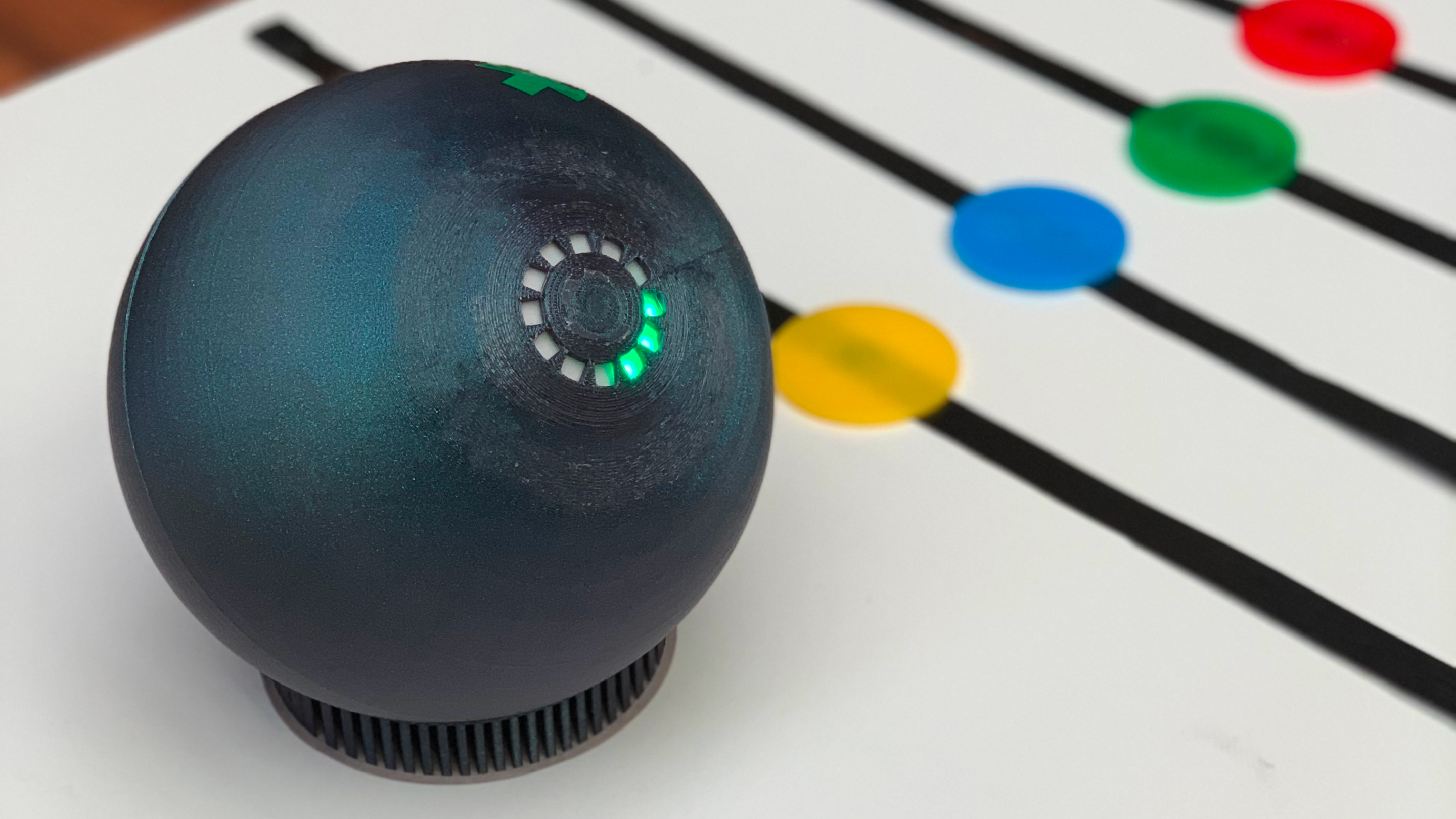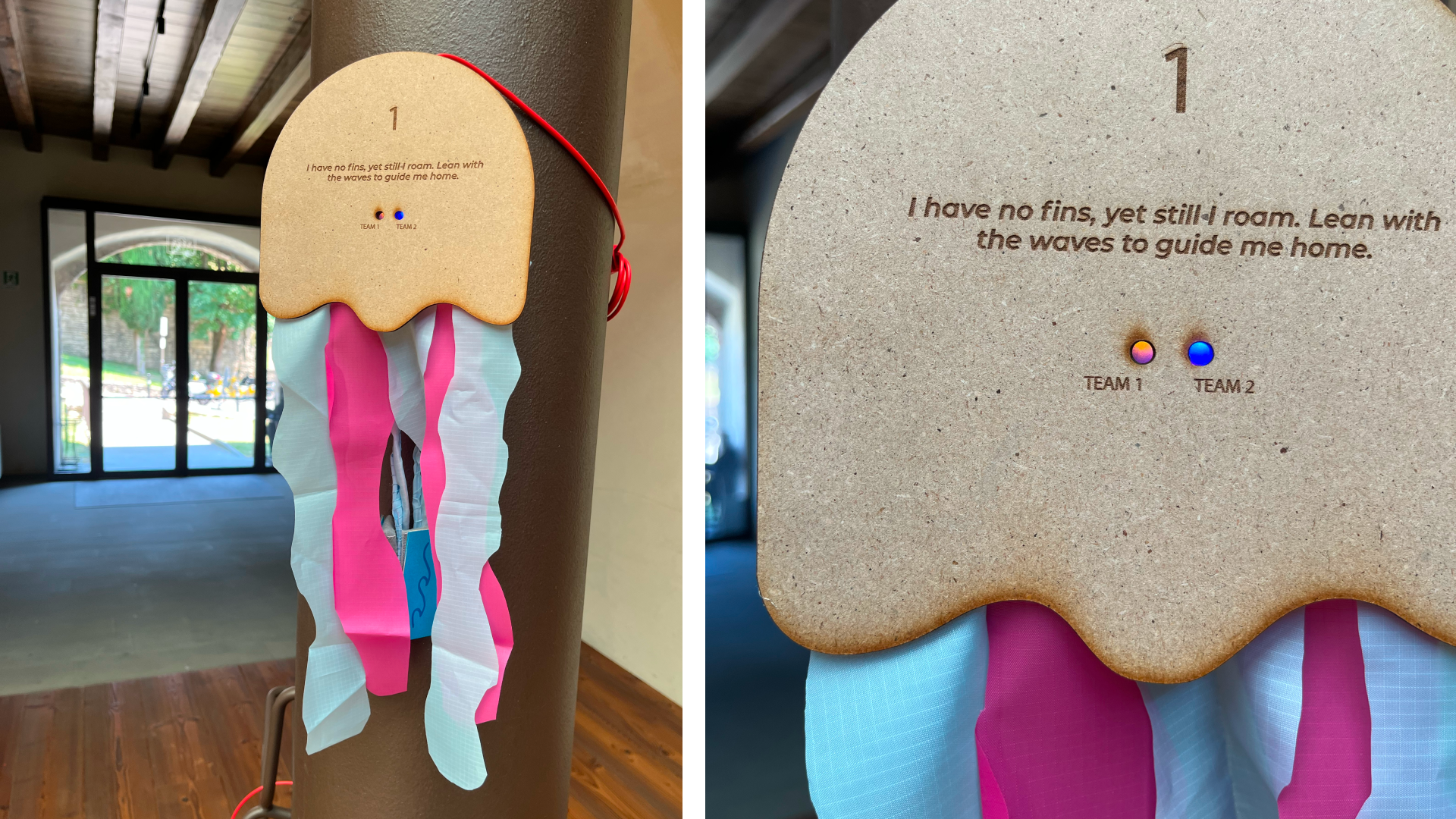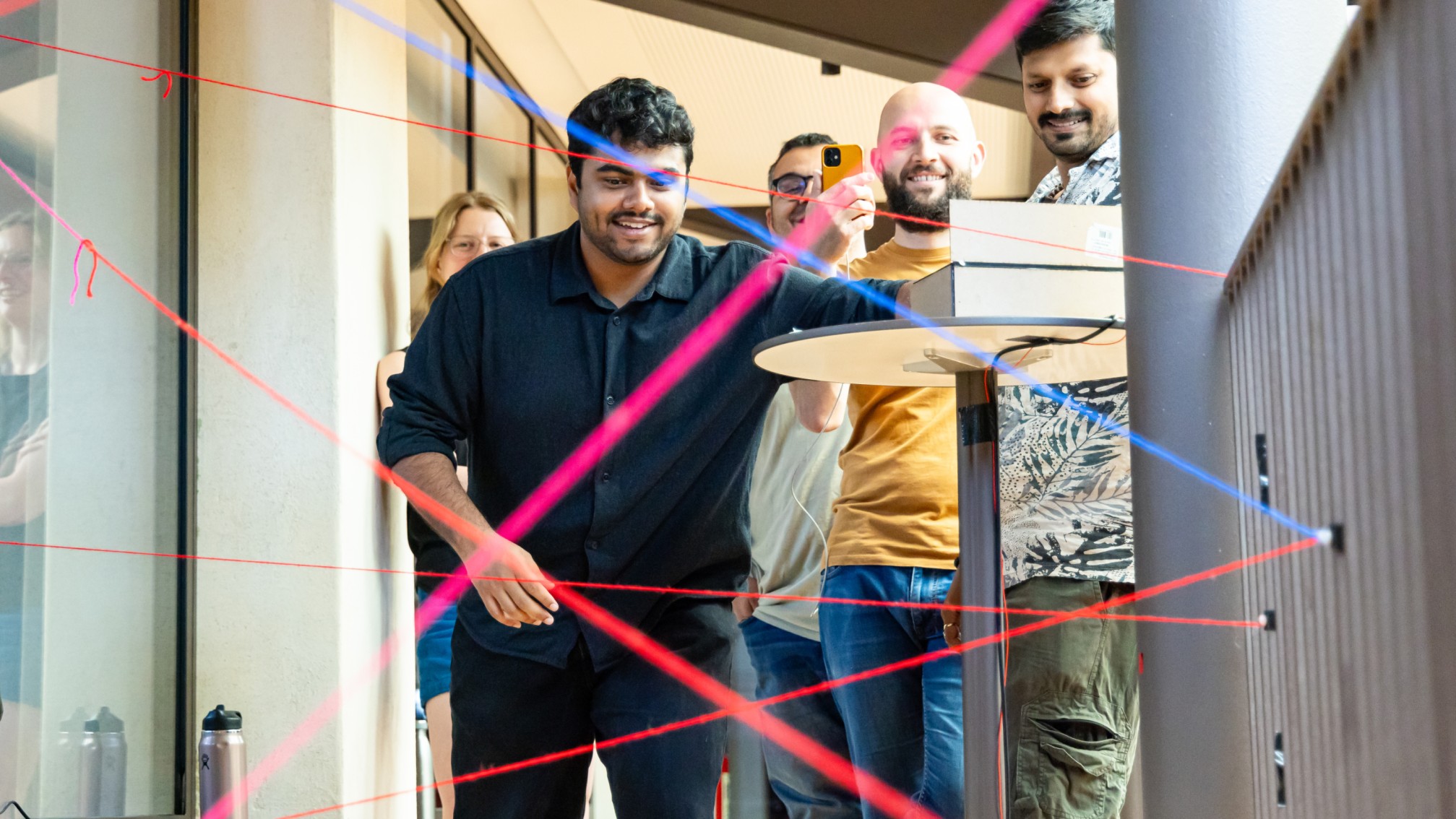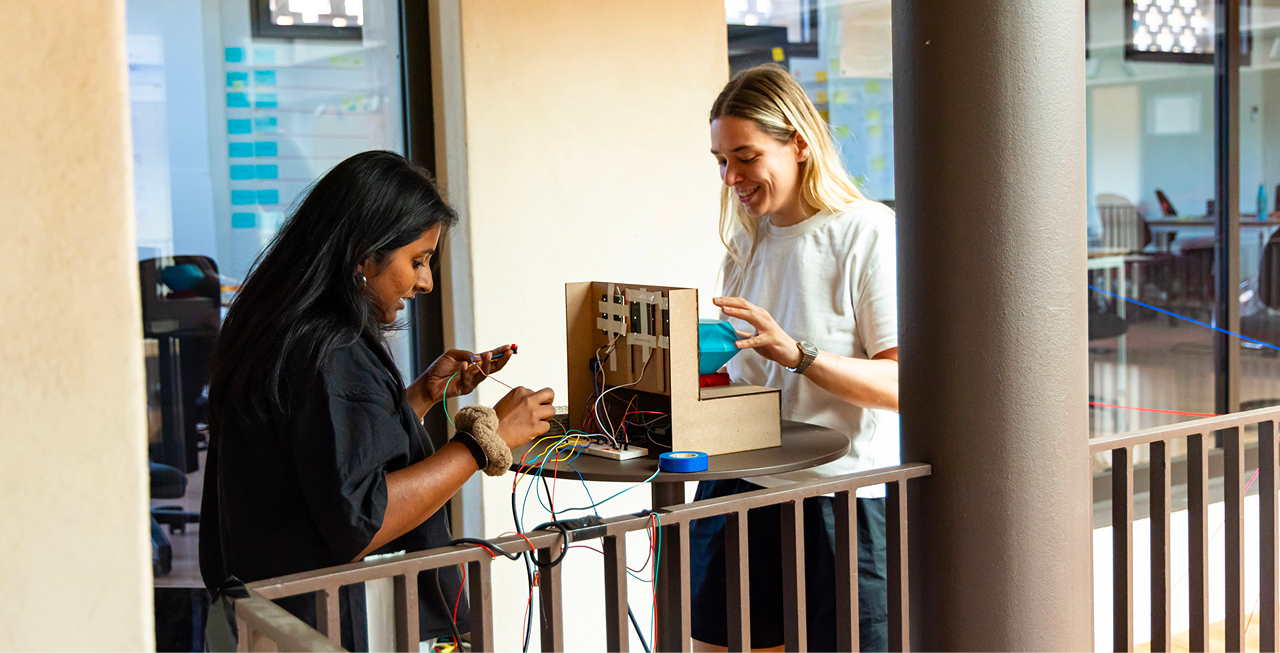
The Physical Computing course introduces the fundamentals of creating interactive physical prototypes using Arduino and other simple electronic components. Over two intensive weeks, students explore how digital systems can sense and respond to the physical world, learning how to make things sense, move, light up and react through hands-on experimentation.
The first week focuses on building a practical understanding of microcontrollers and the basic principles of physical computing - beginning with simple exercises, such as programming an LED to blink, before progressing to sensors, actuators and other components. The emphasis is on understanding how physical computing systems work and developing the confidence to experiment, rather than mastering complex electronics or writing highly efficient code.
In the second week, students apply these skills to a collaborative project. Given a design brief, teams develop an interactive device that people can experience and test as though it were a functional product. They explore how physical computing can bring ideas to life and use techniques such as Wizard-of-Oz prototyping and simulation where appropriate to create convincing and engaging experiences.
Throughout the course, students learn through making, testing and iteration. They develop an understanding of how inputs, outputs and programmed behaviours can be combined to create responsive interactions, while considering how prototypes communicate ideas and invite people to engage.
By the end of the course, people have the foundations needed to create tangible, testable prototypes that bridge digital concepts and physical experiences. Most importantly, they gain confidence in using physical computing as a creative design material and a powerful tool for exploring how interactive products and experiences might behave in the real world.


Ubaldo is a precise, strict, Product Designer. Before becoming a designer he attended a course in physics for a few years where he realised he needed to bring science into something more creative like design, a creative discipline where still to thrive you have to set constraints and think in a holistic way.
He loves to plan and optimise his days trying to fit as much knowledge as possible in his free time, when he is not doing medieval reenactment, of course. Andrea is a messy, curious, maker.Andrea loves to cook and talk about food, especially Italian food. He loves to fix stuff, being a broken utensil or a messed up computer.
Whatever he is doing he is always thinking about what to build to make that task easier or more fun.The Hitchhiker’s Guide to Galaxy is his life manual and he loves hiking and camping always knowing where his towel is.
Both Ubaldo and Andrea attended the Product Design course at Polytechnic University of Turin and the Interaction Design Programme at CIID in 2018 as a single body. They sometimes try to prevail over each other and sometimes collaborate together in a tension that will make them progress faster. Currently, they are trying to put together the scientific method learned from physics with the build, test, repeat mantra from CIID and try to build a career in Prototype Design, whatever that means.

Jose Chavarria is an Interaction Designer and Creative Technologist with a background in Industrial Design Engineering. He's a CIID alumni and has been working in the Interaction Design field since 2015.
Jose started as an Interaction Engineer and later became an R&D Lead at a design studio in San Jose, Costa Rica where he created interactive art installations. He then joined CIID as resident faculty, managing the digital fabrication lab and mentoring students.
After that, he worked as a Creative Technologist and Strategist for an architecture firm, designing AR and VR solutions, digital products, and interactive installations.
Jose's work has been recognised by the Core77 Design Awards in 2021 for Speculative Design and Costa Rica Design Week in 2022 for Interactive Design.
Passionate about human perception and Life-Centred Design, Jose aims to create technology solutions that benefit all forms of life, not just humans.
But in short, he builds stuff and wears hats.