Naulas for Regeneration addresses rural depopulation and water shortages in Almora, Uttarakhand, India by reconnecting communities with their traditional water systems in the midst of climate change induced water shortages.
Many young people leave villages due to low farm income, limited job opportunities, and seasonal water shortages. This migration weakens community life and leads to the loss of local knowledge and traditions.
Naulas - traditional village aquifers - were once the main source of water in Almora. However, after piped water systems were introduced, Naulas lost their importance. Over time, this caused a decline in the knowledge and skills needed to build and maintain them, especially among younger generations. In the midst of climate change, the Naulas have gained renewed prominence because of the water shortages in the region.
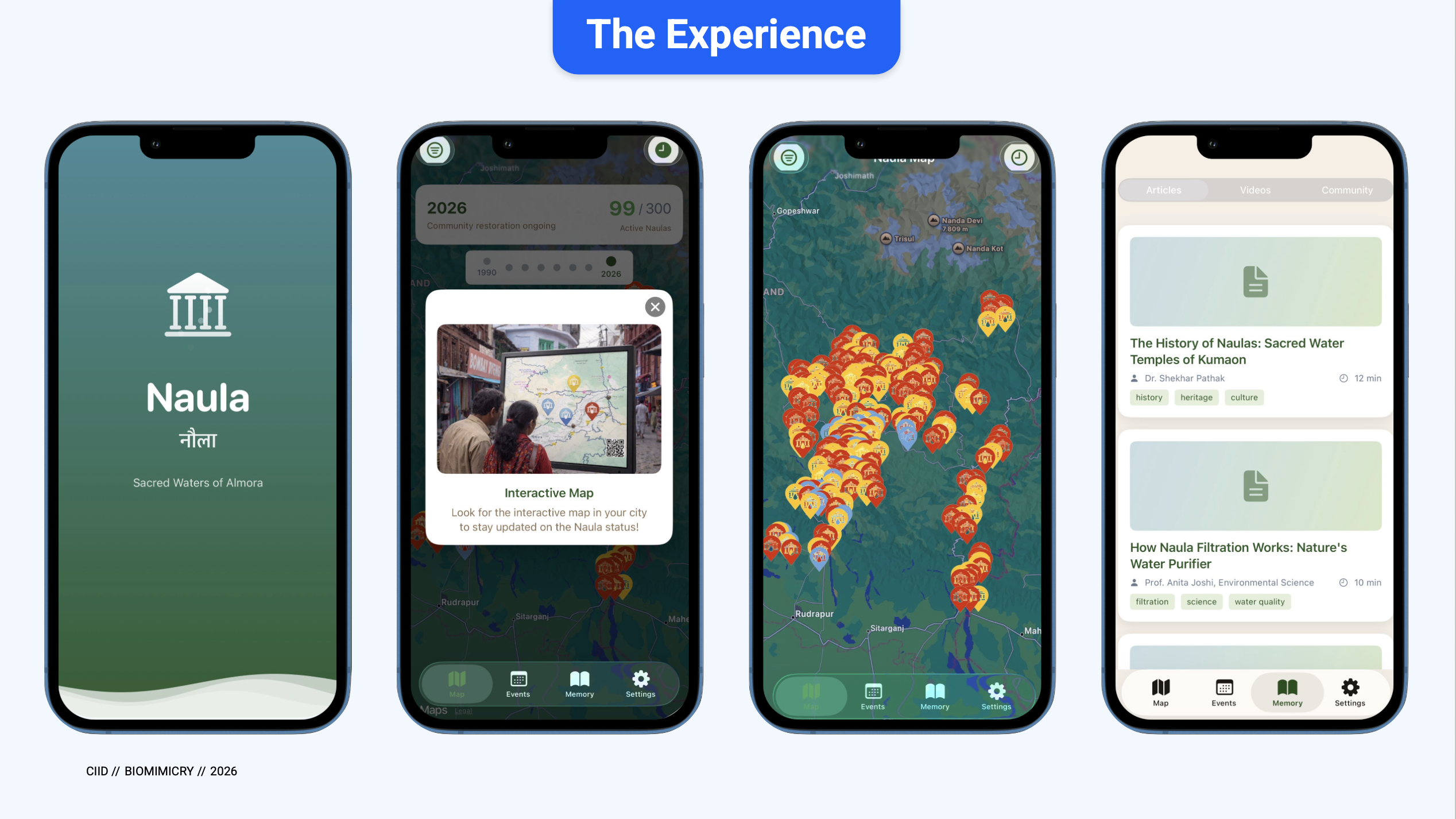
The project focuses on restoring both the Naulas and the knowledge systems around them. It creates a service that combines a simple mobile app with community gatherings and knowledge-sharing activities.
The solution taps into the experience of elders, who still hold valuable knowledge about Naulas. Through the app, they can record and share this knowledge using audio, video, and images. At the same time, the project encourages in-person learning through meetings, rituals, and hands-on activities where younger people can learn directly from elders.
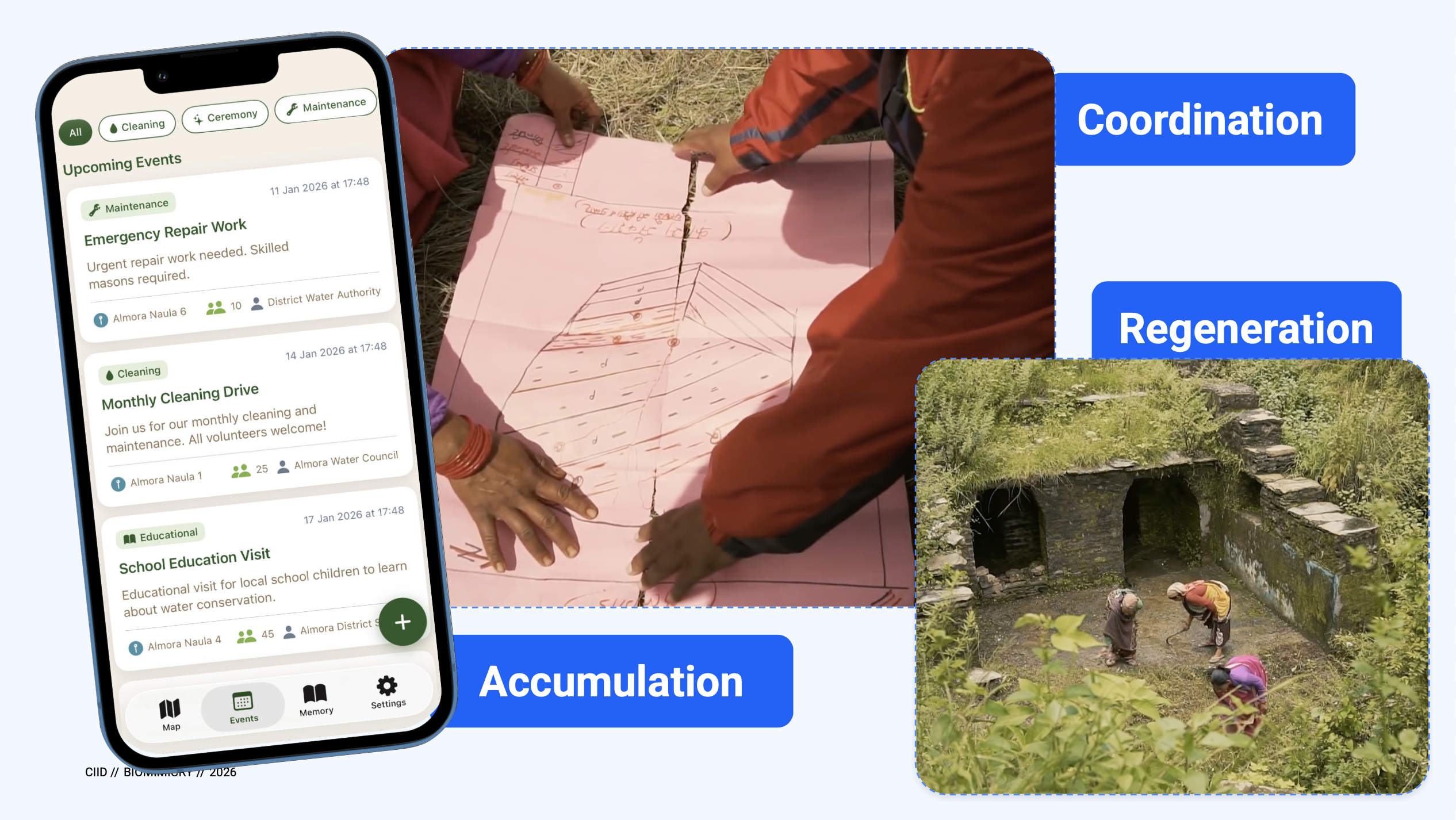
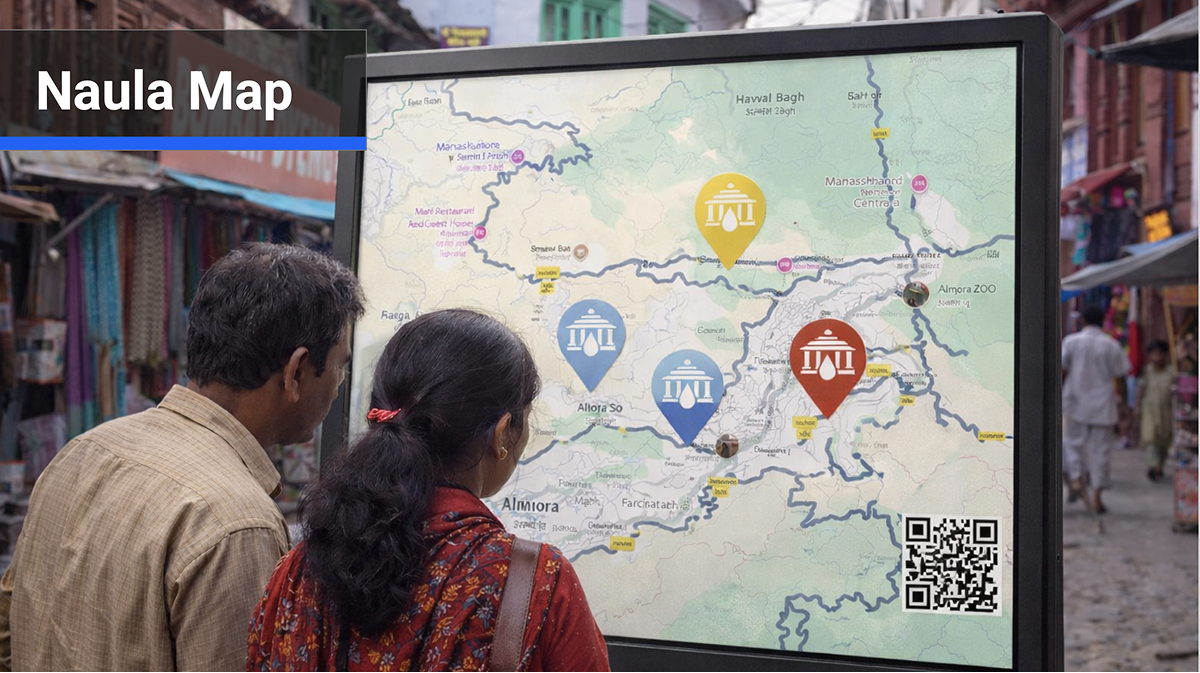
The app also includes a map of Naulas, allowing users to locate them, check their condition, and identify which ones need repair. Community members can organise clean-ups, share updates, and coordinate efforts. The system works both online and offline, making it accessible to all.
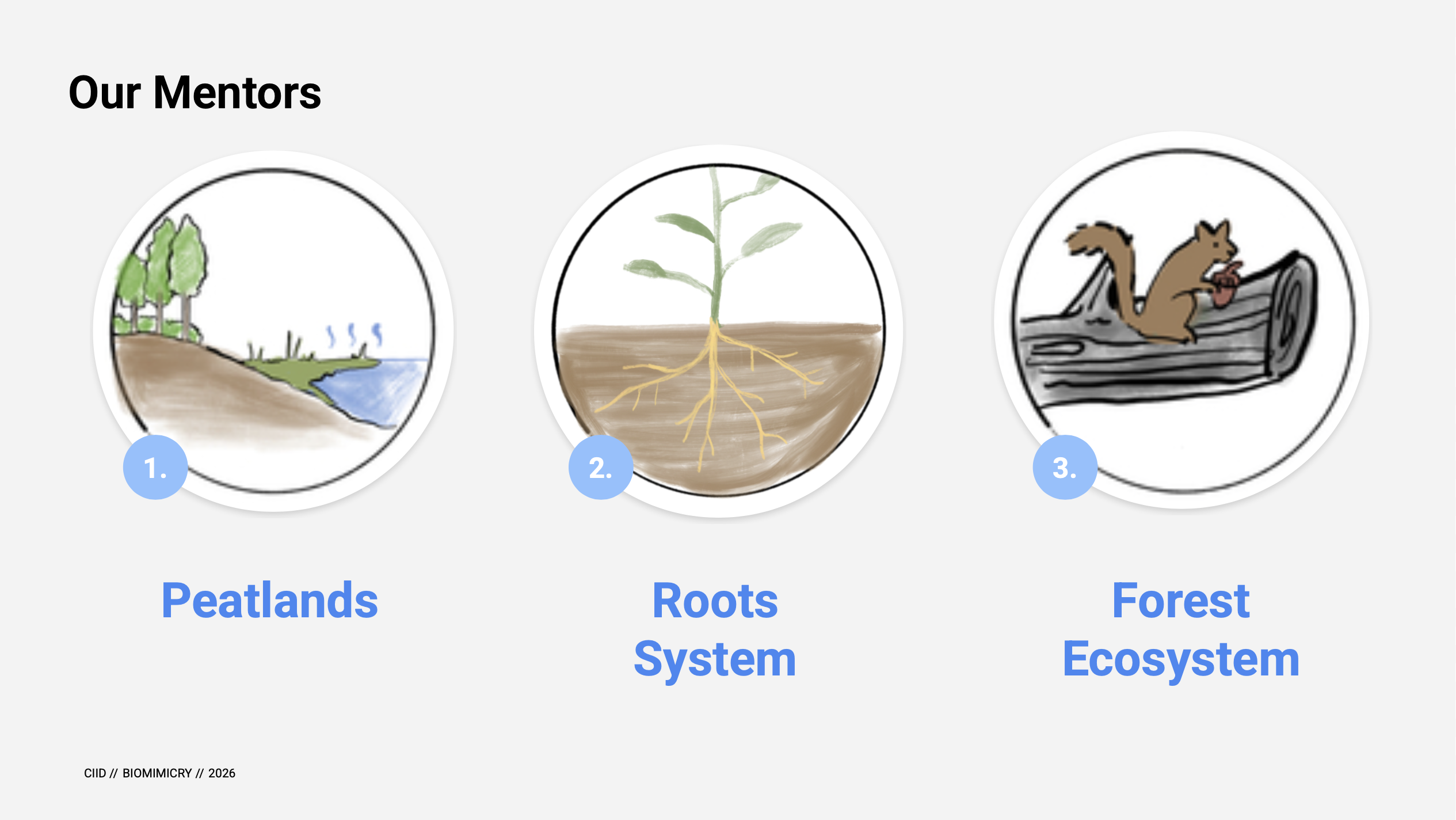
Inspired by concepts of biomimicry from nature, the project is based on three mentors and ideas inspired from them:
Accumulation: preserving and growing knowledge
Coordination: enabling teamwork and communication
Regeneration: restoring water systems and relationships
By combining traditional knowledge with simple technology, the project strengthens community bonds, improves water access, and may help reduce migration over time.