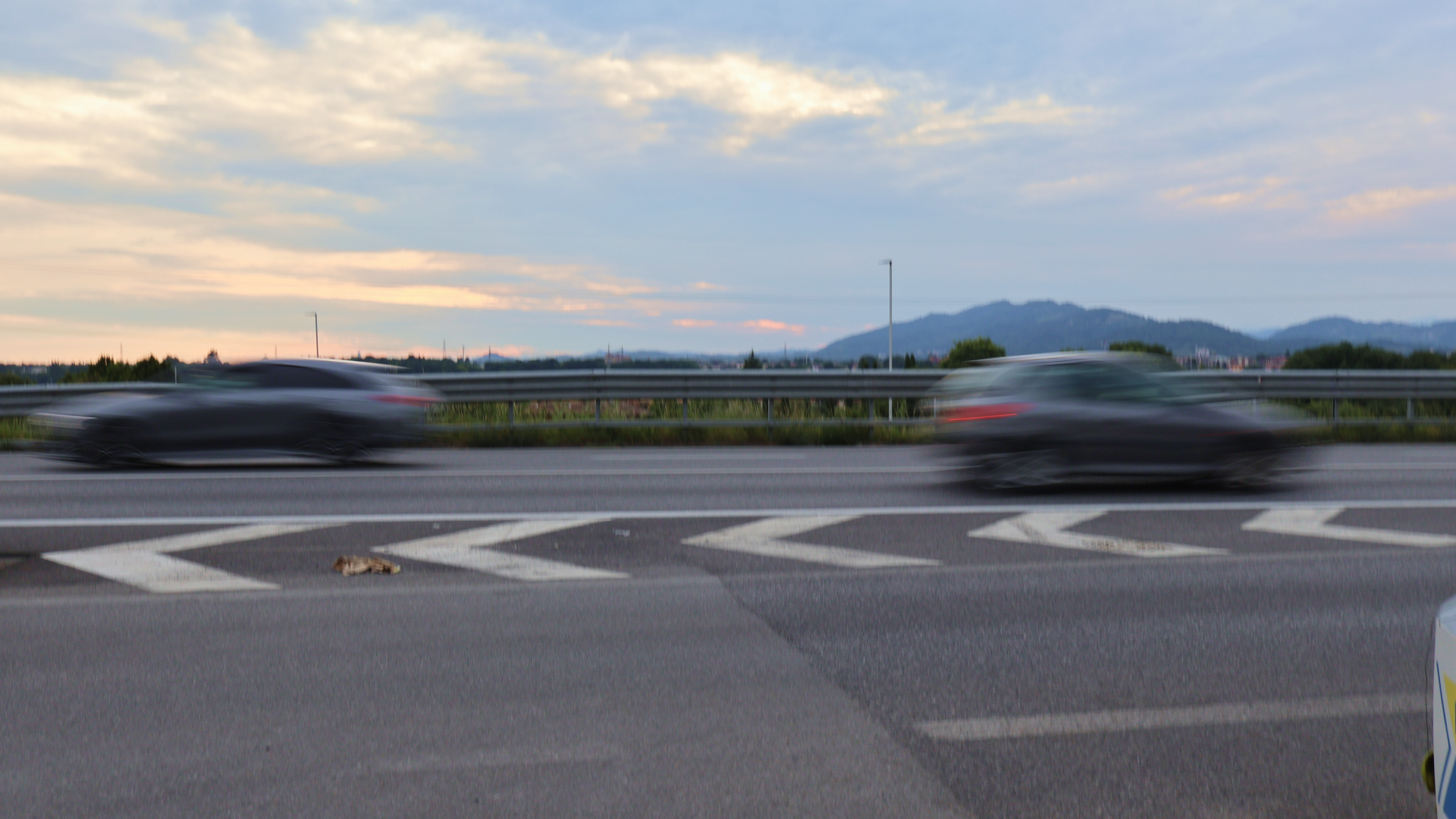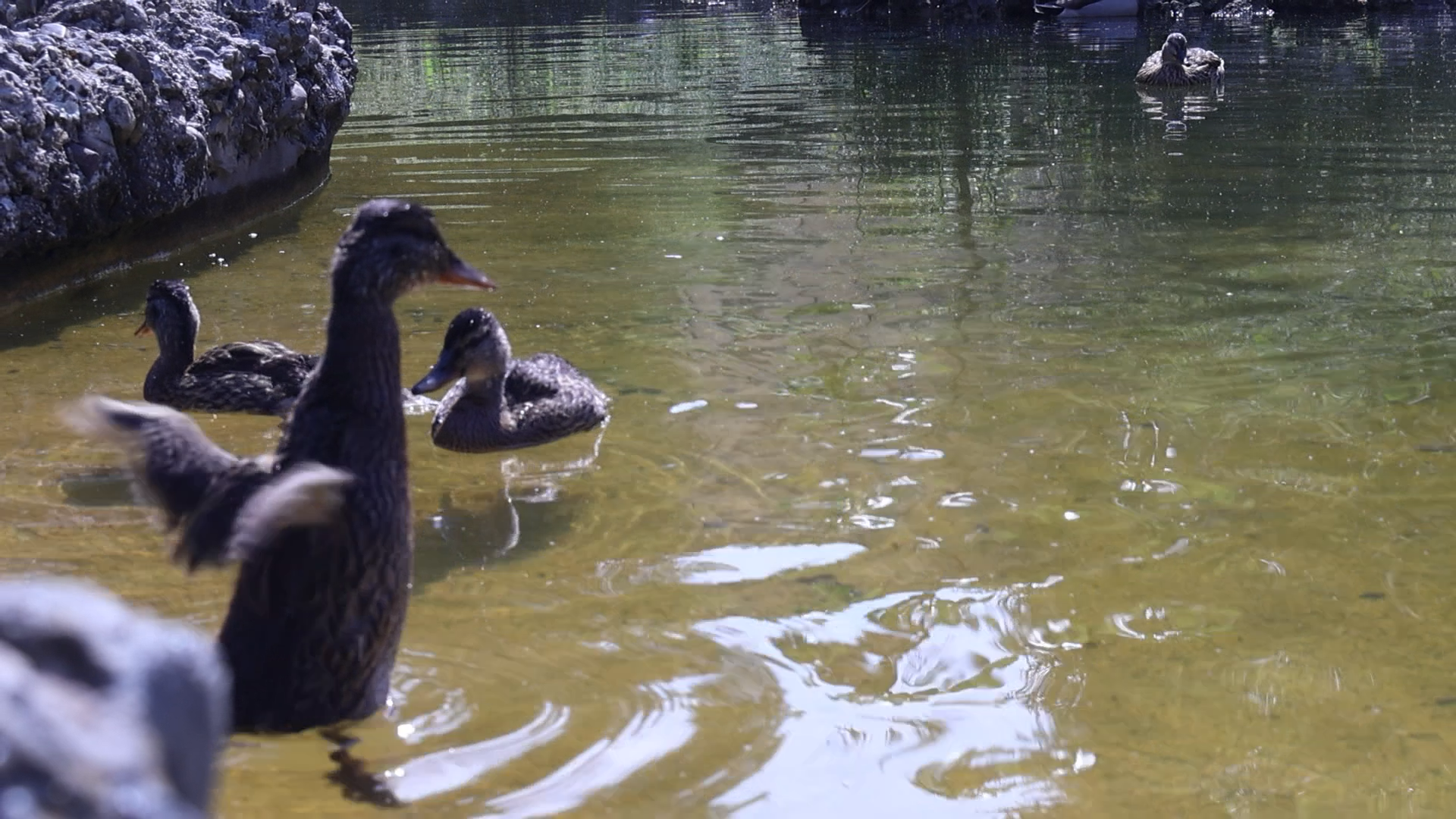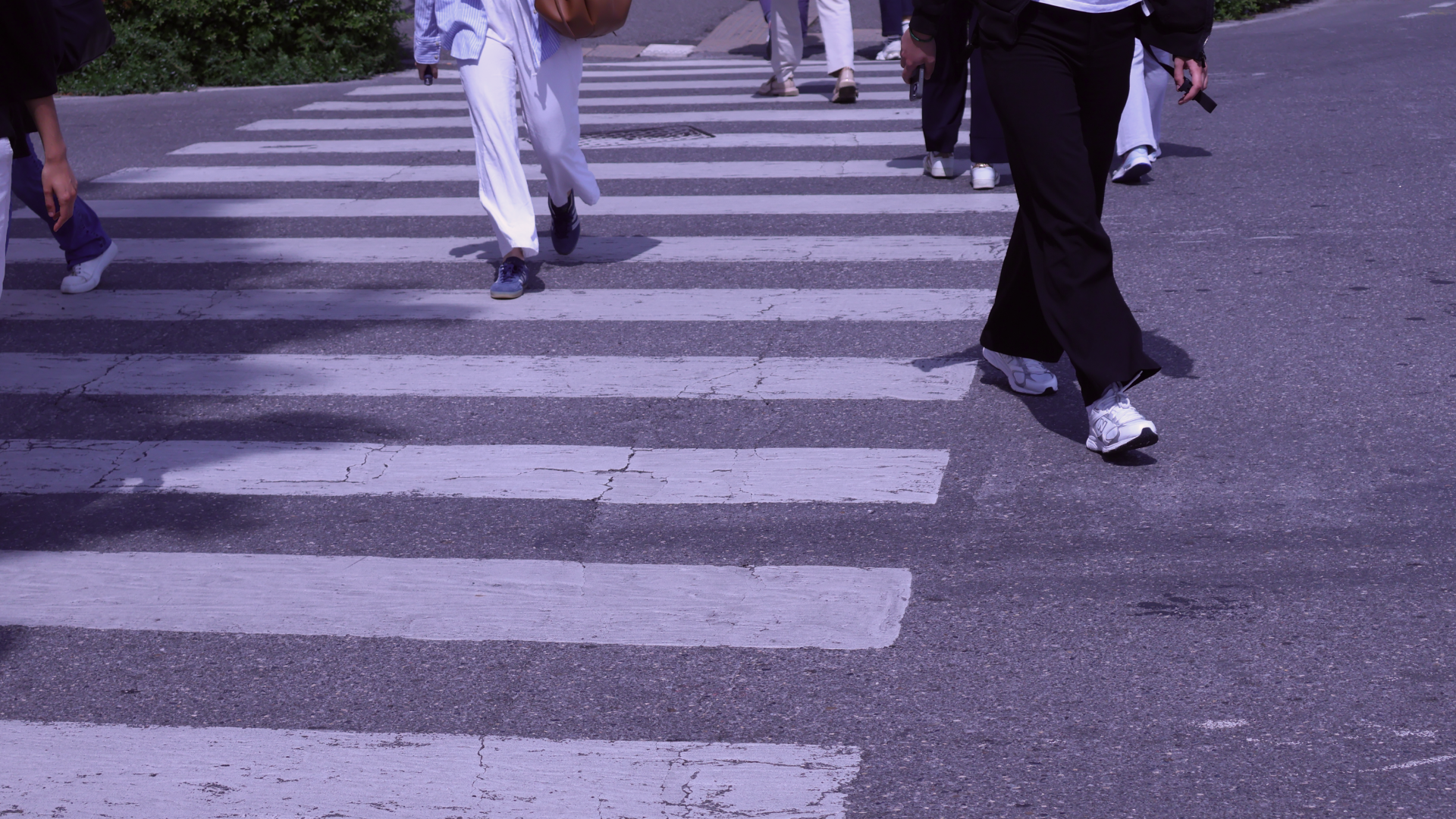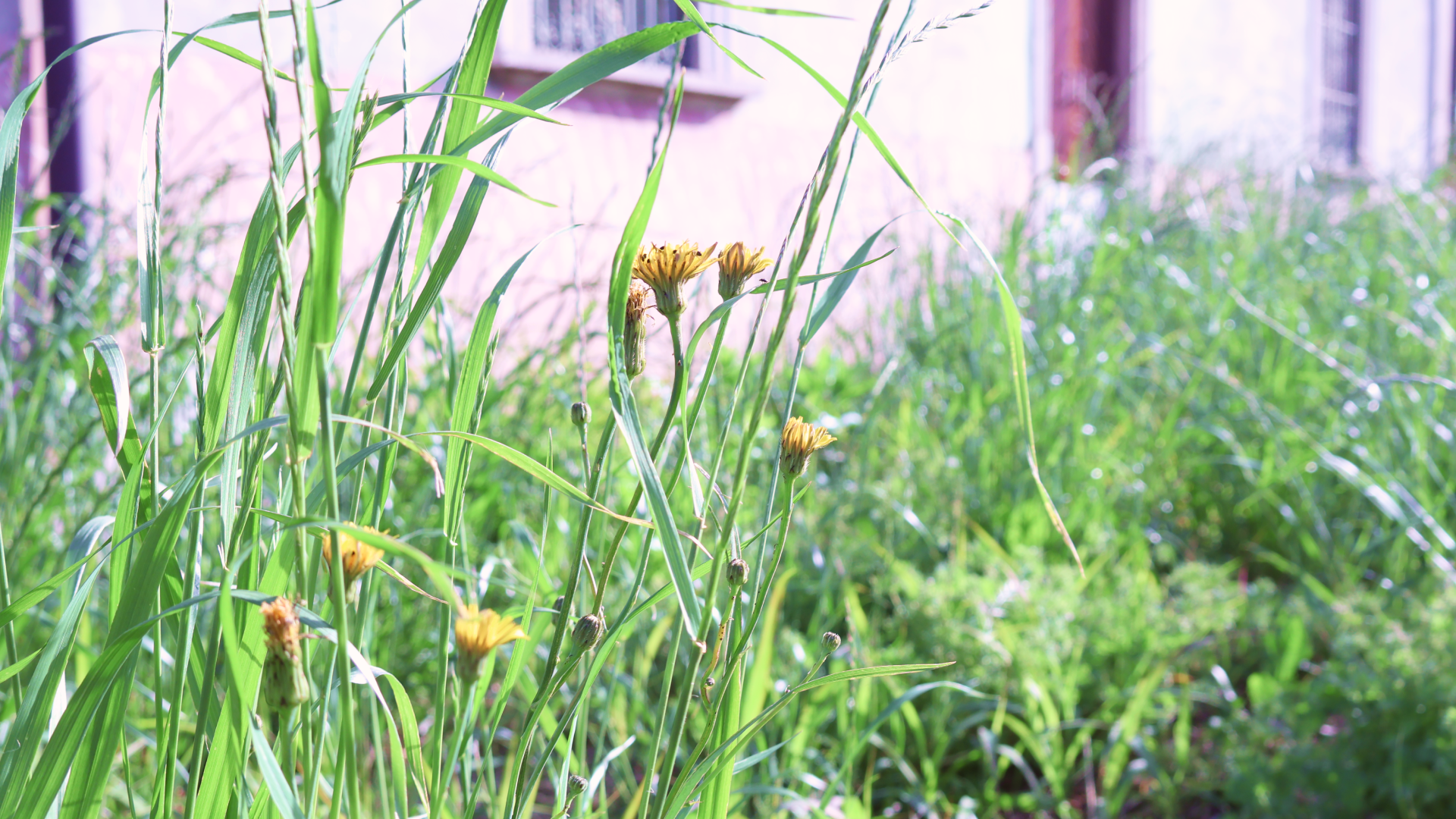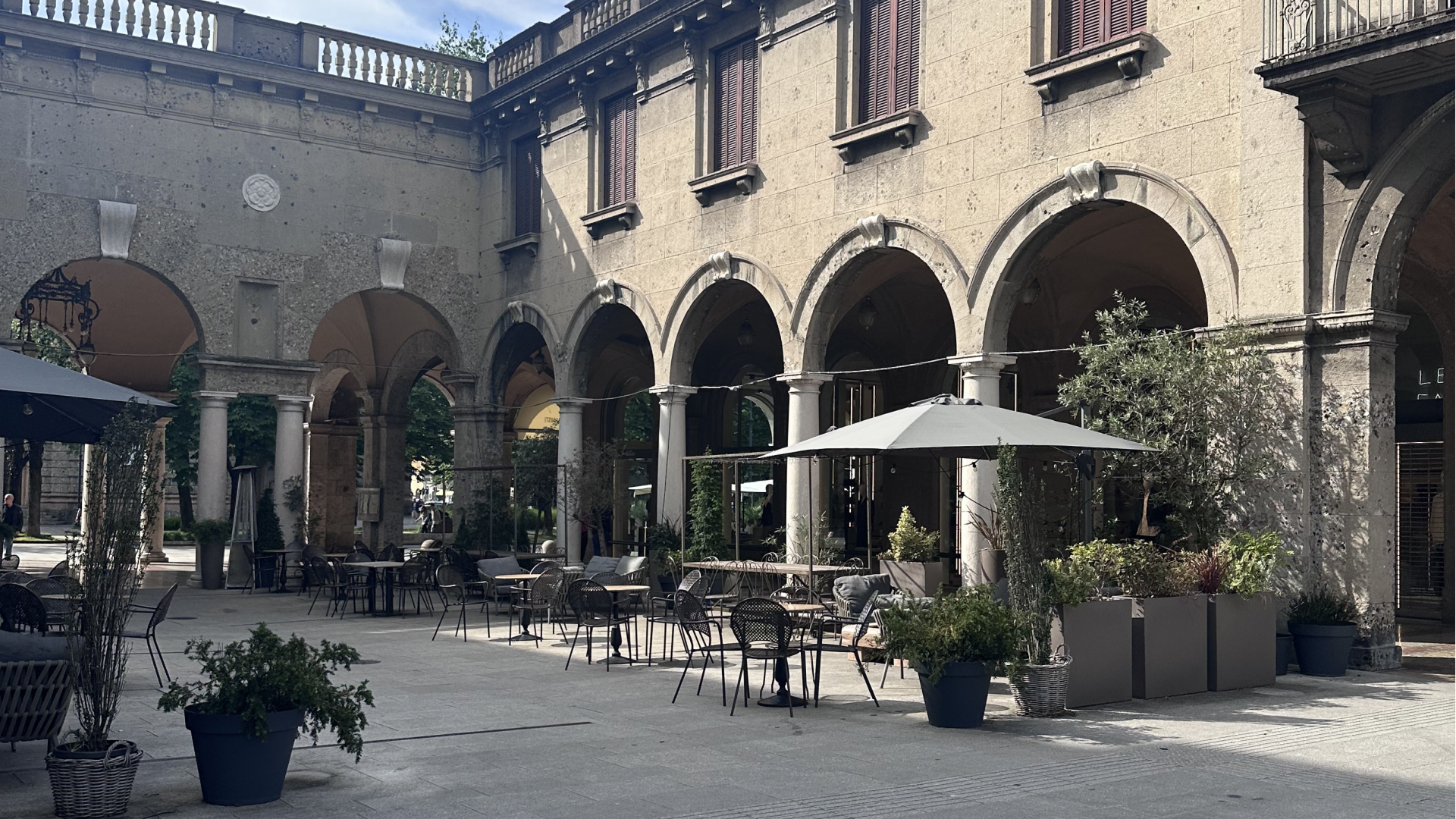
The film explores a shift in state - from chaos to calm - using motion and light rather than a fixed subject or narrative. Instead of following a person or a place, it captures the environment itself, letting sharp, fast movement gradually give way to stillness.
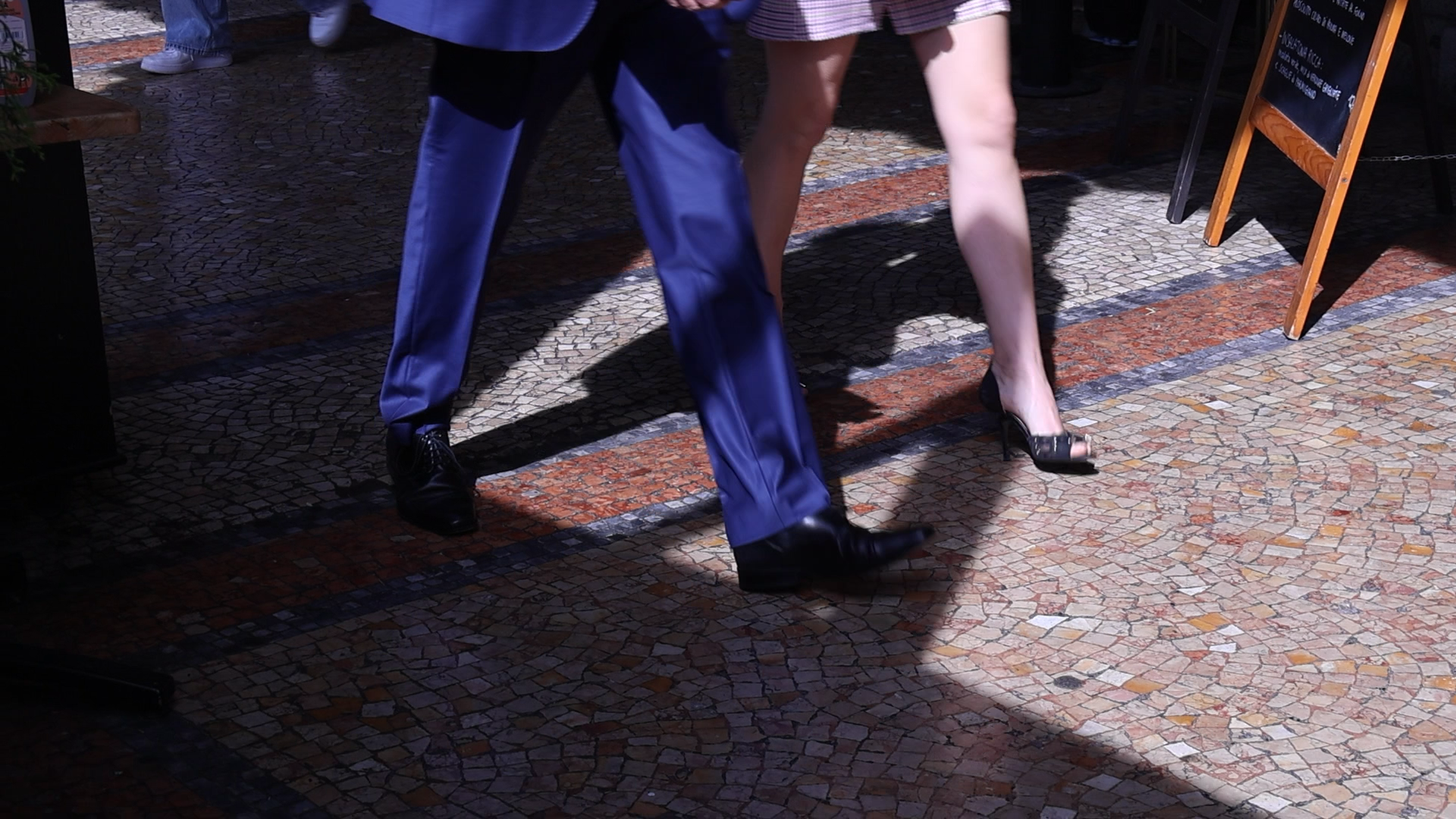
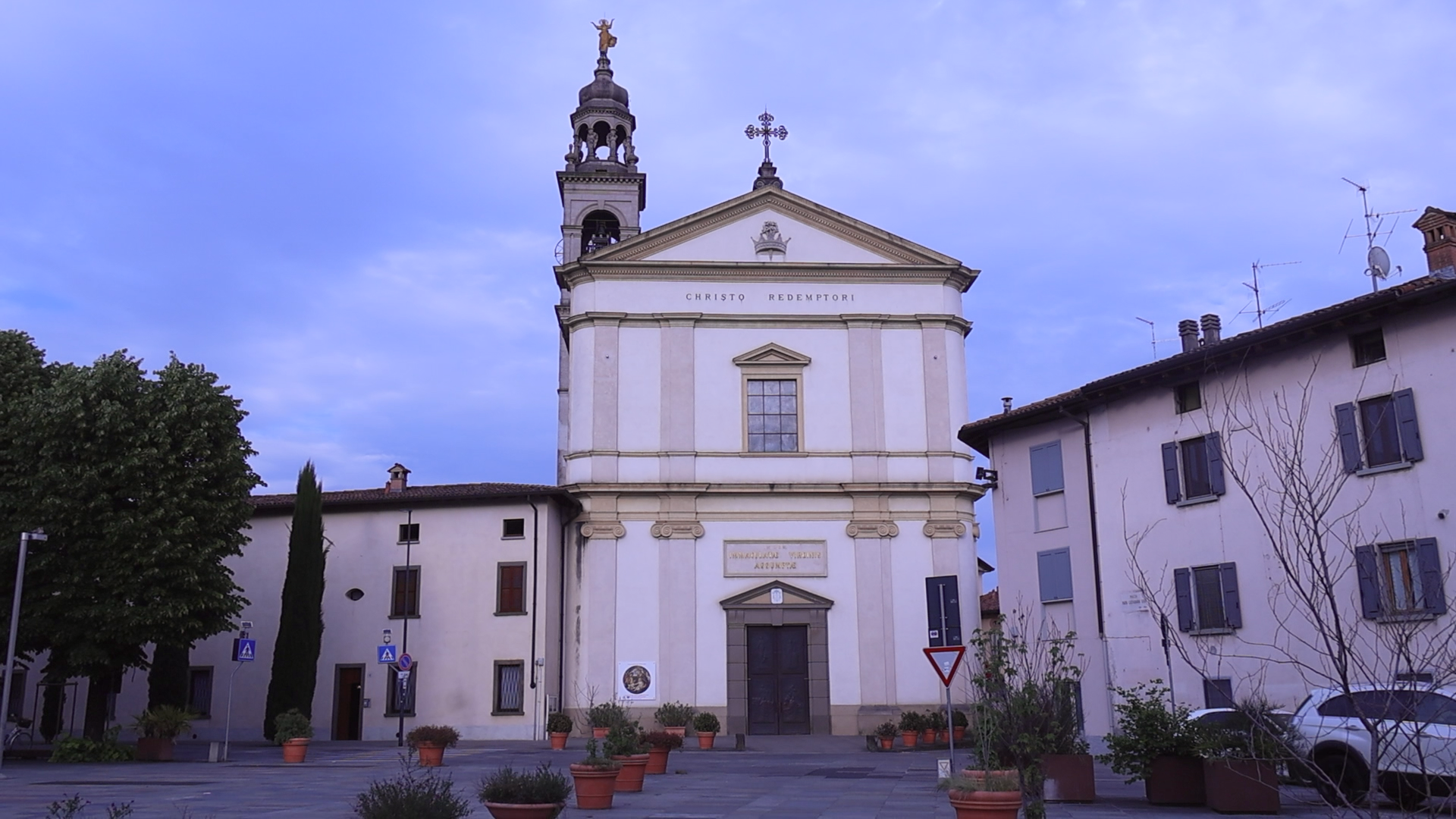
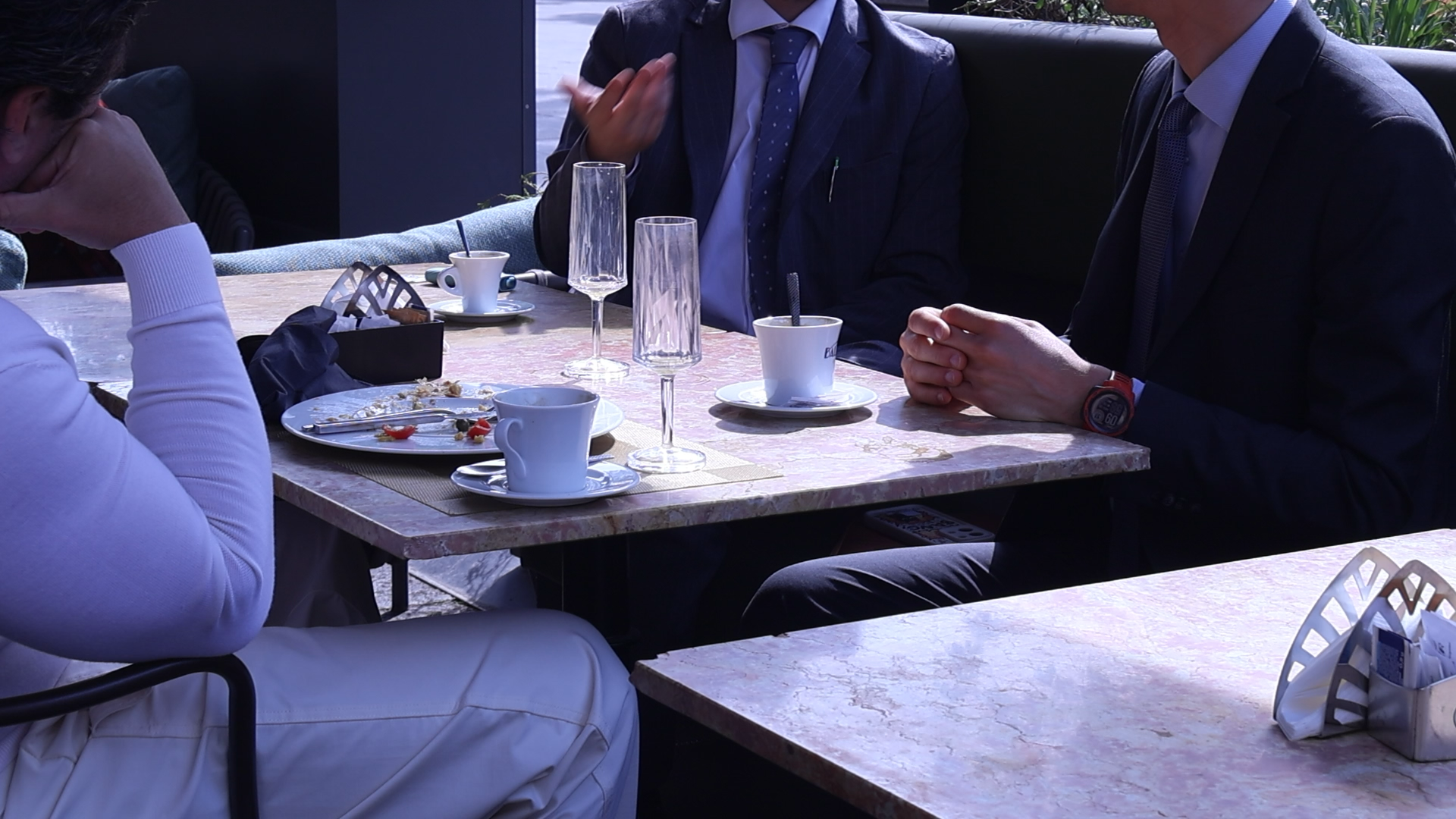
Colour and pace, more than any single image, carry the emotion. The sequences follow the everyday life of Bergamasci people, moving through common spaces and well-travelled roads to capture the changes across a day - from the soft light of morning, into the chaos of a busy afternoon, and back to the calm of evening. The approach favours instinct over planning, built through observation and improvisation rather than a scripted sequence of shots.
That process became part of the learning. Going in without fixed ideas, but with a clear theme in mind, let the footage develop naturally. It responded to what was actually there, not what was expected beforehand.
In the end, the film isn't really about a place. It's a portrait of a feeling - built through the rhythm of motion and the living souls caught in the city's light.