This week-long series of mini-workshops combined theoretical insights with practical exercises, enabling participants to engage critically with AI technologies and apply them creatively in real-world contexts.
Students explored key advancements in Artificial Intelligence, including Generative AI and Large Language Models (LLMs). They learned how these models are built, trained, and aligned with human values, while also discussing their societal impact, energy consumption, and emerging capabilities. Open discussions covered topics like Artificial General Intelligence (AGI) and Artificial Collective Intelligence (ACI), encouraging reflection on AI’s future.
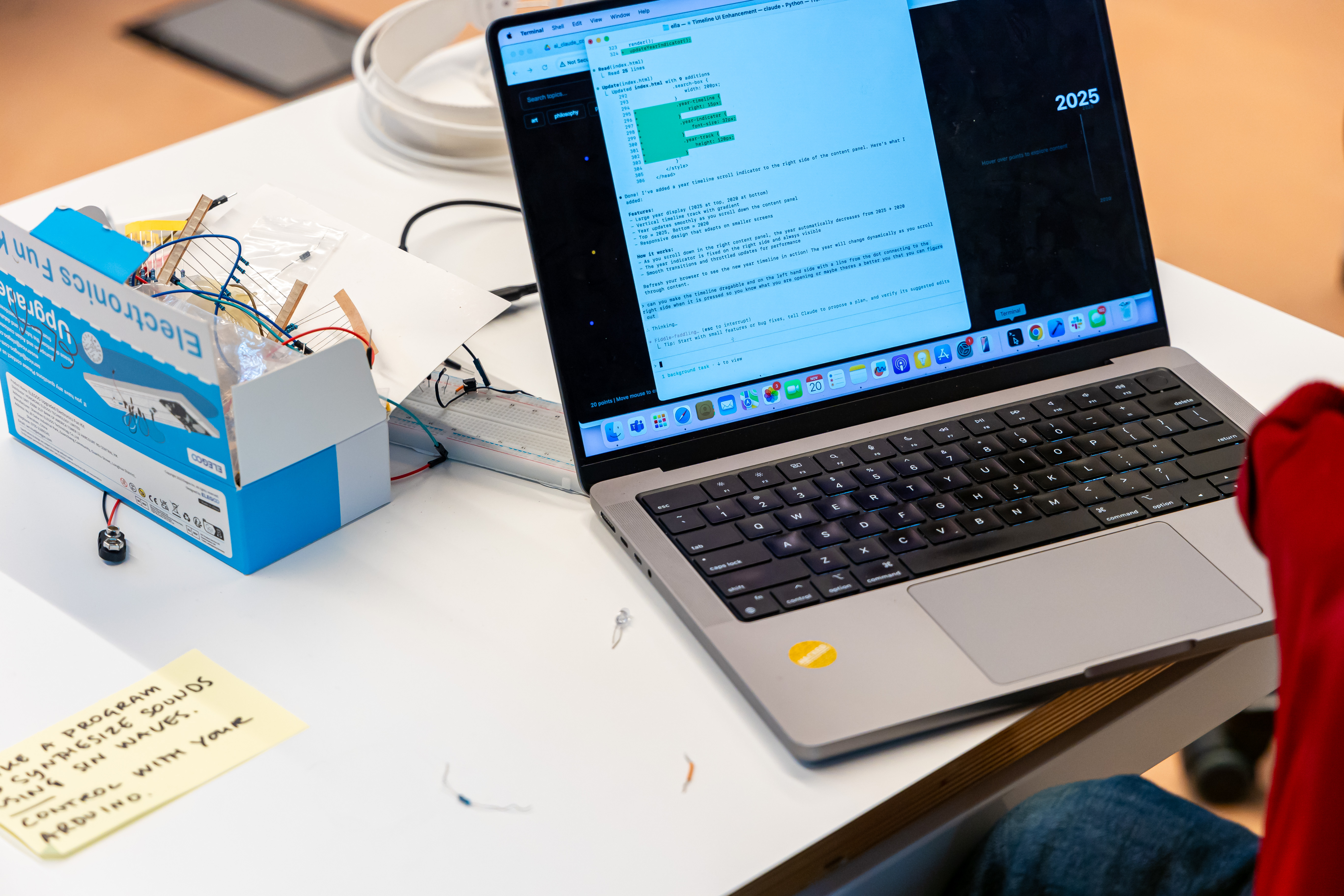
Hands-on activities focused on real-world applications, allowing students to interact with AI tools like GPT-4 and Claude for brainstorming and problem-solving. Case studies explored the complexities of interaction design, such as human-machine trust and current system limitations. Students also had the chance to think about AI-driven solutions like conversational agents and voice assistants.
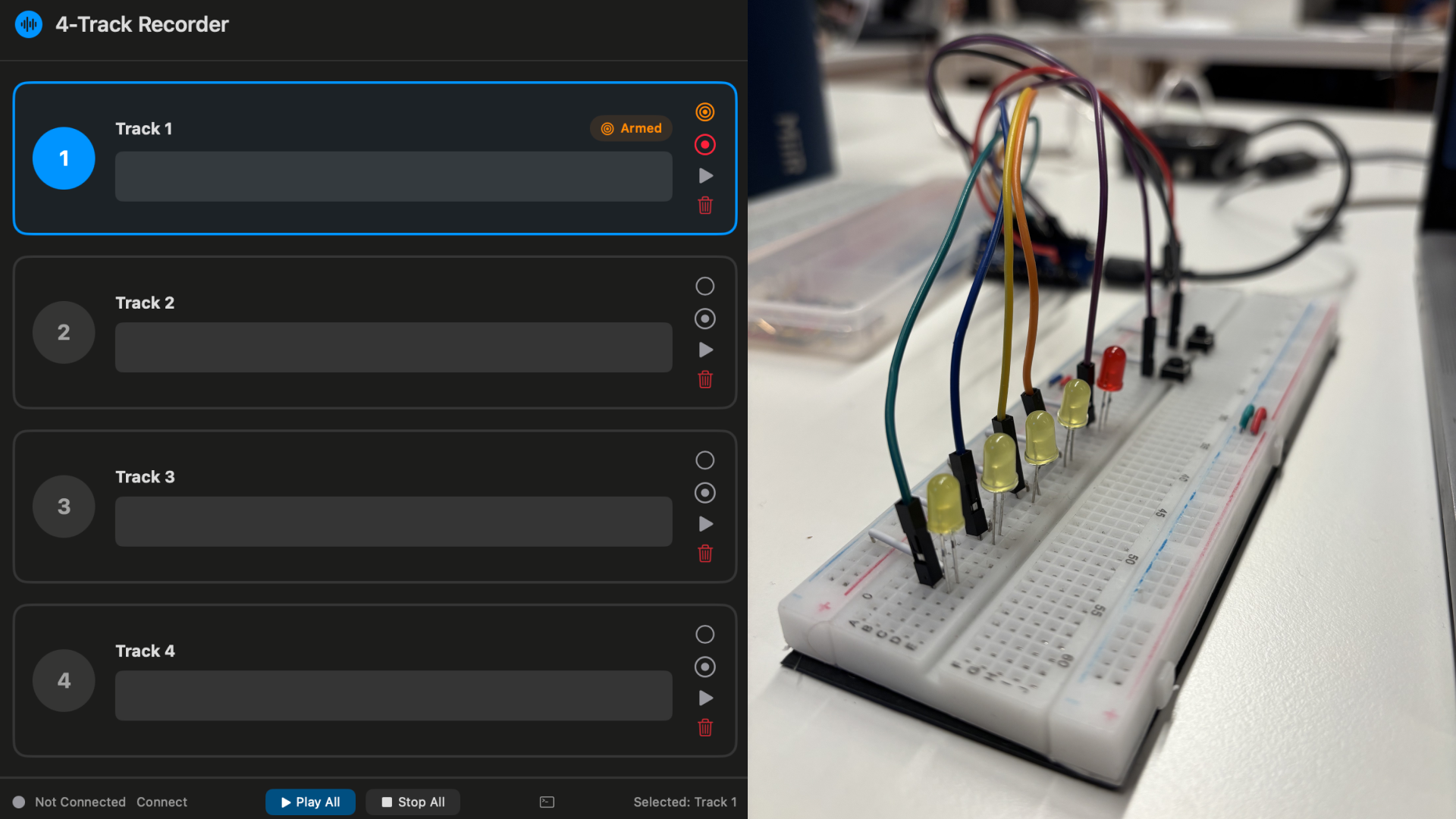
These exercises provided experience in prototyping and optimising AI systems without coding expertise, helping students understand the capabilities, limitations, and design considerations needed to create effective and innovative AI applications.